Did you know? The first Halloween lanterns were carved from turnips, not pumpkins
Long before pumpkins became the face of Halloween, people in Ireland and Scotland carved turnips. Here's how 31 October got its traditions, from Samhain to trick-or-treat.
In this article
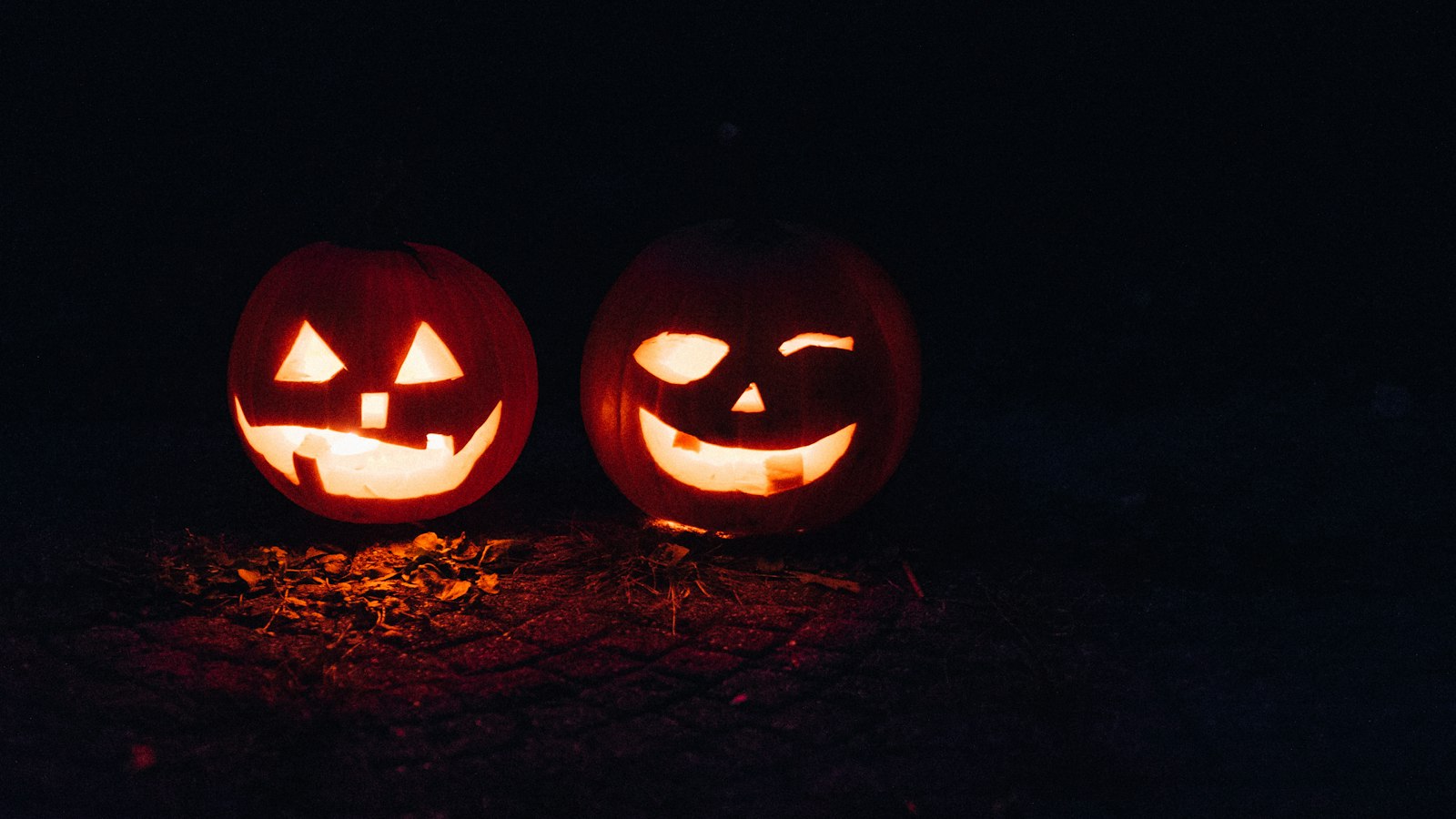
Every 31 October, grinning orange pumpkins pop up all over the world, including in Malaysian malls and theme parks. But travel back to Ireland 150 years ago and you wouldn't find a single pumpkin on the doorstep. What people carved back then was the humble turnip. Yes, the root vegetable that usually ends up in soup.
It started with Samhain
Halloween's roots go back to Samhain, an ancient Celtic festival observed in Ireland and Britain. Samhain began on the night of 31 October, marking the end of the harvest and the start of the Celtic new year on 1 November.
The Celts believed that on this night the boundary between the world of the living and the world of the dead grew thin. People lit bonfires and wore disguises, a habit that eventually carried over into Halloween.
The name came later. In the 8th century, Pope Gregory III set 1 November as All Saints' Day (also called All Hallows). The evening before became All Hallows' Eve, which was gradually shortened to "Halloween".
Carved turnips from Ireland and Scotland
In Ireland and Scotland, people carved faces into turnips, put an ember or candle inside and placed them in windows or by the door. In England, large beets did the job. According to Smithsonian Magazine, potatoes and radishes sometimes got the carving treatment too. The reasoning was simple: metal lanterns were expensive, while root vegetables were cheap and easy to find.

The tradition is still alive in some places. On the Isle of Man, people still carve turnips for Hop tu Naa, the island's own celebration on 31 October.
Did you know? The National Museum of Ireland keeps a "ghost turnip" from Fintown, County Donegal. It's actually a plaster model, not a real turnip (no turnip lasts 80 years!). A schoolteacher donated it in 1943, saying this type of lantern was always made in the area around 1900.
The legend of "Stingy Jack"
So why "jack-o'-lantern"? Irish folklore has an answer. The tale follows Stingy Jack, a crafty man who supposedly tricked the Devil not once but twice. When Jack died, the legend goes, neither heaven nor hell would take him in.
Instead, Jack was said to roam the dark with a burning coal inside a carved turnip to light his way. The Irish called this figure "Jack of the Lantern", later shortened to "Jack O'Lantern". It's only folklore, but it was enough to name the most famous lantern in the world.
When turnips turned into pumpkins
In the second half of the 19th century, millions of Irish people moved to the United States, many of them fleeing the Great Famine. They brought their Halloween customs with them, vegetable carving included.
In America they met the pumpkin, a crop native to the continent. Pumpkins were bigger, softer and far easier to carve than a rock-hard turnip. It wasn't a close contest. Today the orange pumpkin is the face of Halloween almost everywhere.
Where trick-or-treat came from
Going door to door has a long history too. In England there was souling, linked to All Souls' Day: poor people knocked on doors and received "soul cakes" in return for promising to pray for the household's departed relatives.

In Scotland and Ireland there was guising. Young people dressed up and visited neighbours, but they had to earn their reward first: a song, a poem or a joke, and only then came the fruit, nuts or coins. A fair deal, really.
The phrase "trick or treat" first showed up in Canadian newspapers in the early 1920s. The earliest example Smithsonian cites is a Saskatchewan paper from November 1923. The practice spread across the US in the 1920s and 1930s, paused during World War II sugar rationing, then came back bigger than ever after the war.
So next time...
When you spot a grinning orange pumpkin this October, remember its ancestor was a smaller and, honestly, much spookier-looking turnip. Whether you celebrate or just watch from the sidelines, you now have one more fact to share at the dinner table.
Sources
- Britannica, Why Do We Carve Pumpkins at Halloween?
- HISTORY, How Jack O'Lanterns Originated in Irish Myth
- HISTORY, Halloween: Origins and Traditions
- HISTORY, How Trick-or-Treating Became a Halloween Tradition
- Smithsonian Magazine, When People Carved Turnips Instead of Pumpkins for Halloween
- Smithsonian Magazine, The History of Trick-or-Treating Is Weirder Than You Thought
- National Museum of Ireland, Ghost turnip