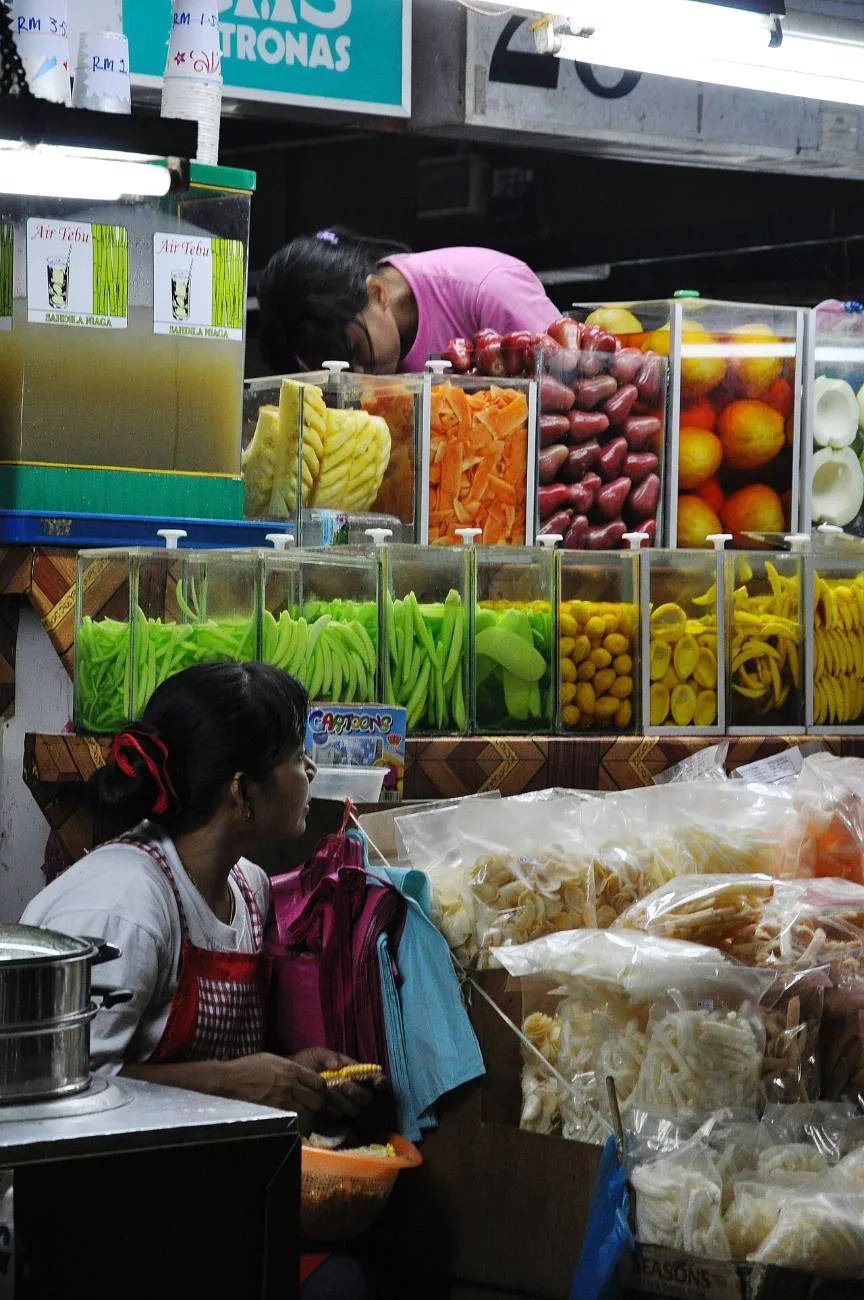
Did you know? Why is cut papaya always sold in a red plastic bag instead of a clear one?
A dietitian says red plastic protects papaya's vitamin C from light. Is that true? What research says about cut fruit, and how to store papaya so it keeps its vitamin C.
In this article
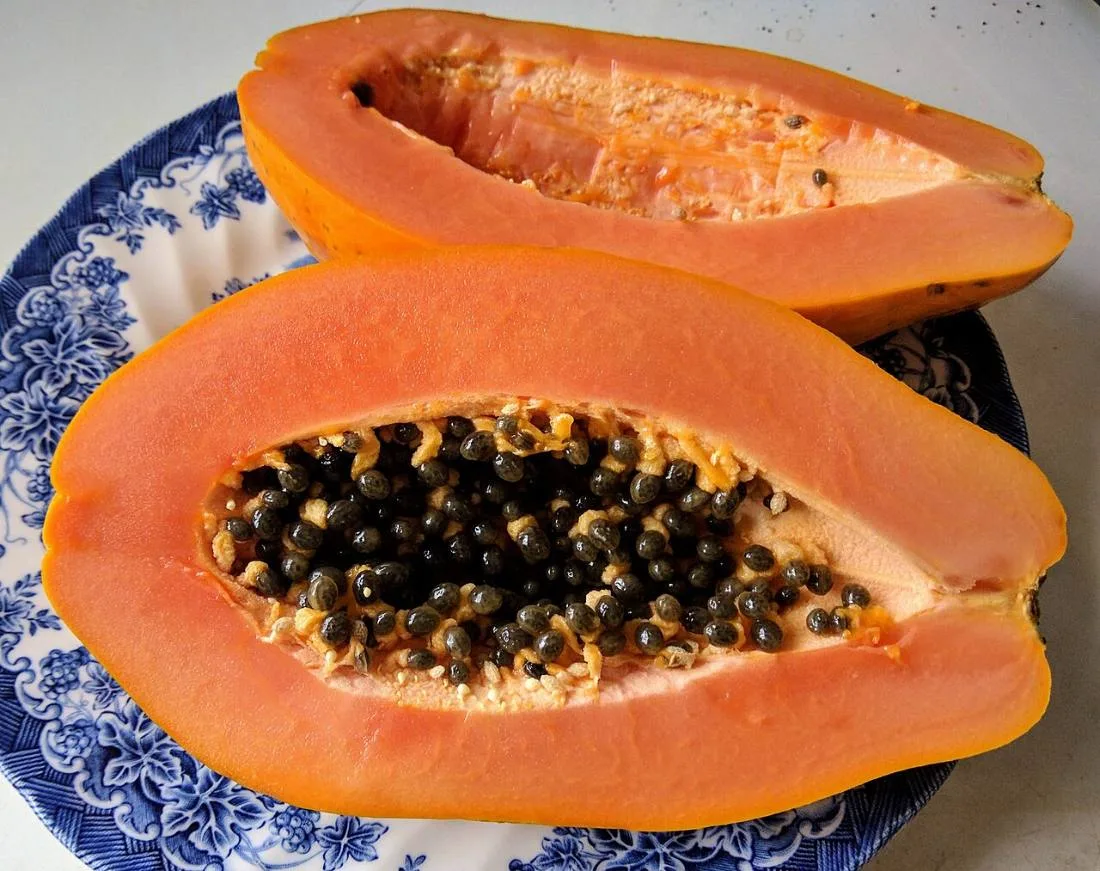
Ever noticed? Cut watermelon, pineapple and guava are usually sold in clear plastic. But papaya almost always comes in red plastic.
That question has gone viral this week, and an expert has weighed in.
The expert's answer: protect vitamin C from light
According to mStar, dietitian Farah Hanani shared on Threads that papaya needs protection from light once it's cut.
She said that if you use plastic that lets 100% of light through, the papaya's vitamin C will break down. That's why sellers use red plastic.
Does light really destroy vitamin C?
There's something to it. Cutting fruit exposes the flesh to oxygen and light, and both can quickly degrade the fruit's appearance and nutrients (NutraIngredients).
But research also shows temperature matters a lot. A 2006 University of California, Davis study stored cut fruit in the fridge at 5°C for 9 days (Gil, Aguayo & Kader). After 6 days:
| Cut fruit | Vitamin C lost |
|---|---|
| Strawberries, mango, watermelon | Under 5% |
| Pineapple | About 10% |
| Kiwi | 12% |
| Cantaloupe | 25% |
Lead researcher Maria Gil said cutting had "almost no effect" on the fruit's main antioxidants, as long as the fruit was kept chilled.
Did you know? That study didn't test papaya. So there's no exact figure for papaya, but the general pattern holds: chilled cut fruit stays nutritious for several days.
So is red plastic really necessary?
In short:
- Light is one of the factors that can reduce vitamin C in cut fruit.
- But for papaya you buy and eat the same day, the amount lost is most likely small.
- What matters more is keeping it cold and not leaving it out in the heat for long.
Many people on social media also believe red plastic makes papaya flesh look redder and riper. That's a popular theory, but we couldn't find a study confirming it.
How to store papaya so it lasts
According to a report cited by mStar:
- Ripe papaya can last almost 2 weeks at around 8°C, depending on how ripe it is
- Don't store it below 7°C, because extreme cold can damage the papaya and reduce its vitamin C
- Want to keep it longer? Freeze the flesh in the freezer
Next time you buy cut papaya, check: what colour is the bag?
Sources
- mStar, Kenapa buah betik potong dijual dalam plastik merah? Pakar pemakanan kata bukan suka-suka, tapi ada kaitan dengan vitamin C (7 Nov 2026)
- NutraIngredients, Chilled, cut fruit keep nutrients as well as fresh (7 Jun 2006)
- Gil, Aguayo & Kader, Quality changes and nutrient retention in fresh-cut versus whole fruits during storage, Journal of Agricultural and Food Chemistry (2006)