Did you know? Deepavali follows the moon, not the calendar. That's why the date moves
Deepavali 2026 falls on 8 November in Malaysia, but next year it comes earlier. Here's why the date changes every year, plus the replacement holiday info.
In this article
This year, Deepavali lands on Sunday, 8 November 2026. Next year it's expected to arrive earlier, around 29 October 2027. The Deepavali date never stays put because it doesn't follow the Gregorian calendar. It follows the moon.
A calendar that tracks both the moon and the sun
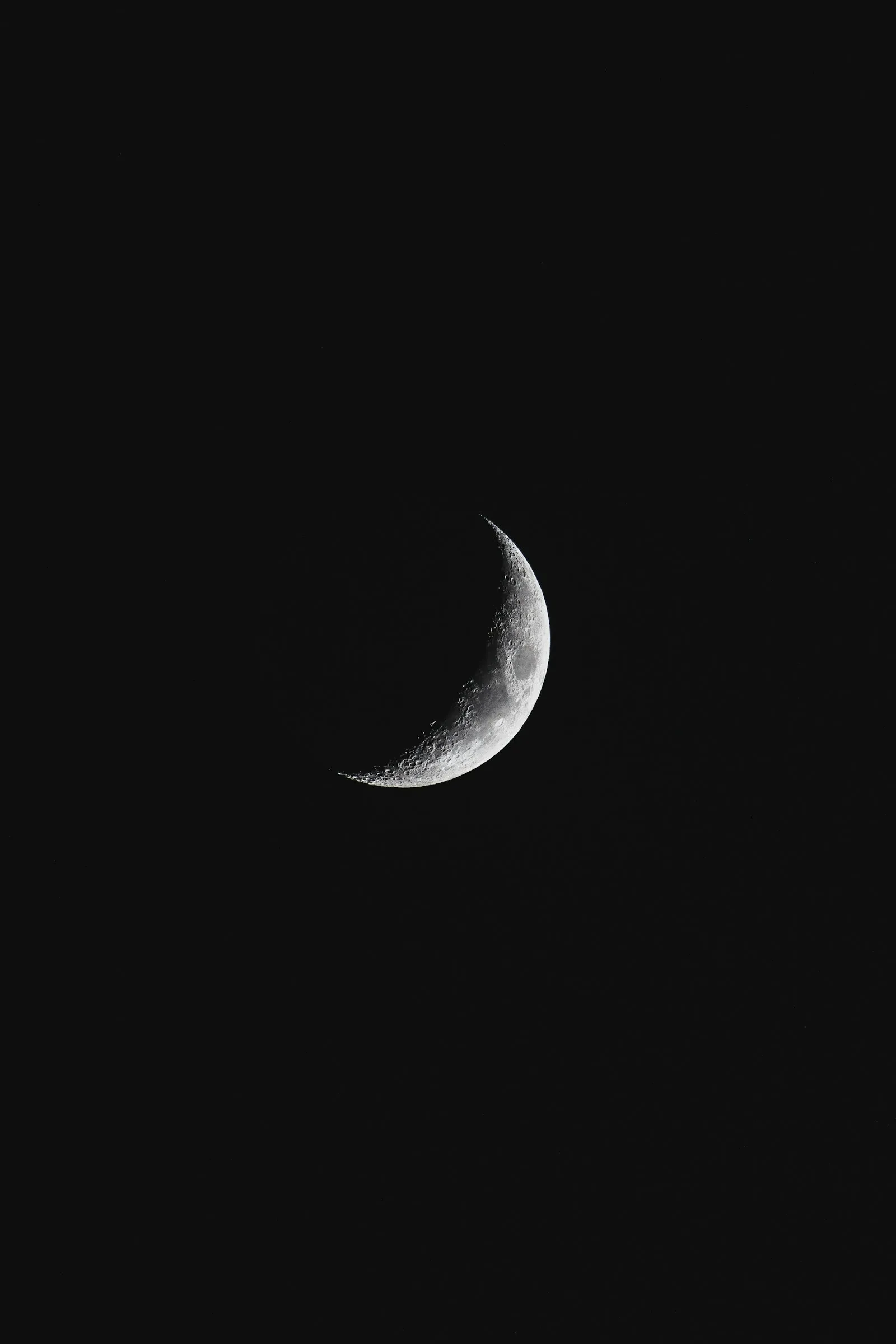
Deepavali is set by the Hindu lunisolar calendar, which counts months by the moon's cycle while trying to stay in sync with the solar year. The festival is tied to the new moon (amavasya) and usually falls somewhere between mid-October and mid-November.
Here's the catch: a lunar year is only about 354 days, while a solar year is 365 days and roughly 6 hours. That's a gap of about 11 days every year. On a Gregorian calendar, that means the festival slides back by around 11 days annually.
The bonus month that fixes everything
Left alone, the festival would drift right out of its season. So the Hindu calendar adds an extra month called adhika masa. On average, it shows up every 32.5 months, or roughly once every three years.
When the extra month kicks in, the festival date jumps forward again. That's why Deepavali never escapes its October to November window. Think of it as a clock that runs a little slow each year, then gets reset in one go.
Did you know? The month name for Deepavali depends on which system you use. Some traditions start each month at the new moon (amanta), others at the full moon (purnimanta). So the same festival can be labelled Ashvin or Kartika, depending on the calendar.
Why some celebrate a day earlier
In the Tamil calendar, Deepavali falls in Aipasi, the seventh month, which matches the solar month of Tula (when the Sun enters Libra), around October to November.
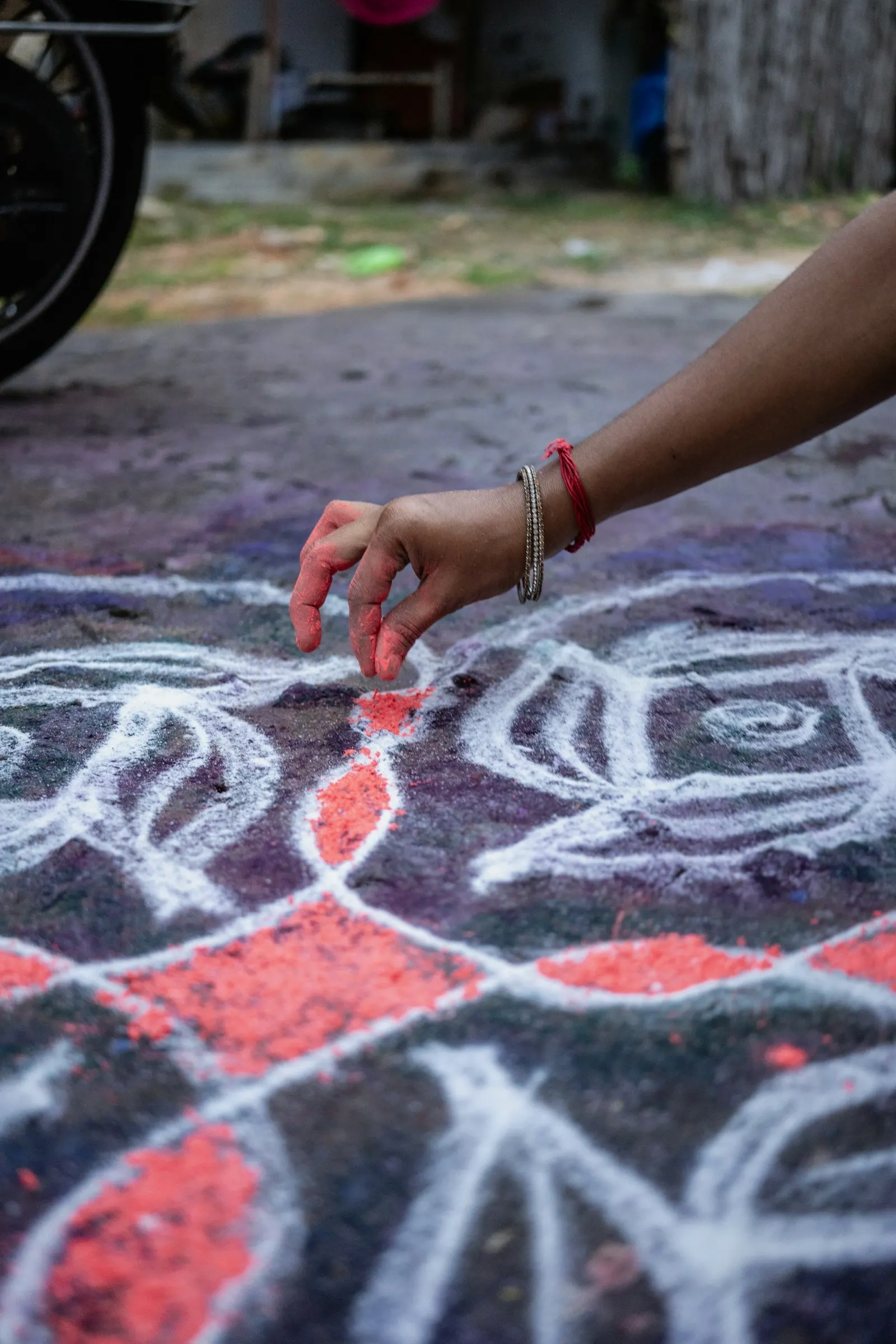
Tamil tradition (as in Tamil Nadu and Karnataka) marks Deepavali when the Chaturdashi tithi falls at dawn, before sunrise, and the day starts with an oil bath. Most other parts of India go by Amavasya after sunset. Since each tithi starts and ends at different times, the Tamil celebration can land a day earlier or on the same day.
The stories differ too. Tamil tradition links Deepavali to Krishna's victory (with Satyabhama) over Narakasura, while in North India it marks Rama's return to Ayodhya. Two stories, one message: light beats darkness.
Deepavali 2026 holidays in Malaysia
- Sunday, 8 November 2026: Deepavali.
- Monday, 9 November 2026: replacement holiday in most states, including Labuan.
- Kedah, Kelantan and Terengganu: no replacement day, because their weekend is Friday and Saturday, so a Sunday Deepavali doesn't clash with the weekly rest day.
- Sarawak: Deepavali is not an official public holiday.
Replacement holidays can vary by state and employer, so check with your workplace before booking that balik kampung ticket.
Next time someone asks why Deepavali is on a different date this year, you've got an answer that'll make them pause. Happy Deepavali to everyone celebrating!