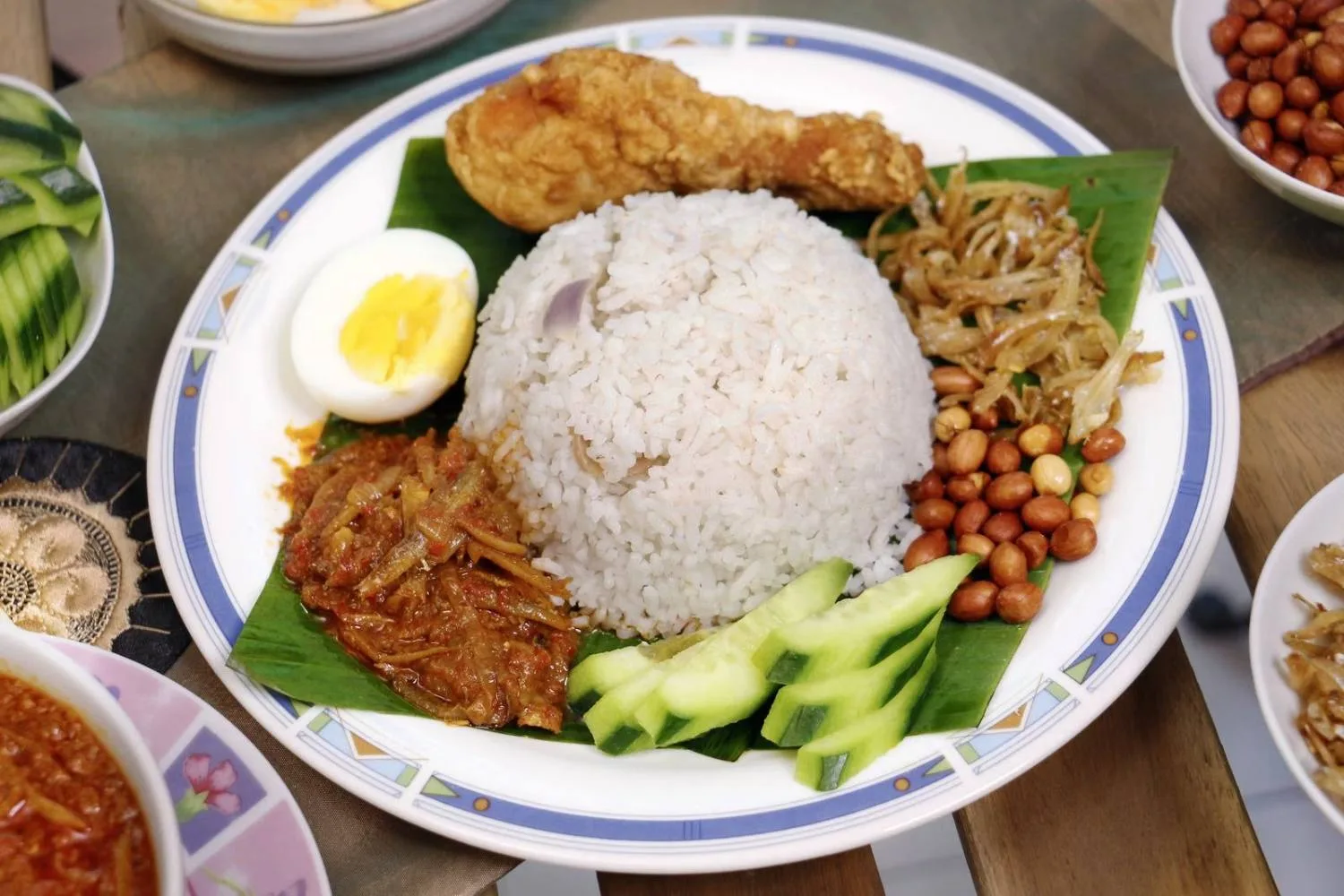
Did you know? Feeling sleepy after lunch has a scientific name, and it's not just the nasi lemak
Why do we get sleepy after eating? Food coma, or postprandial somnolence, is linked to meal size, food type and your body clock. Tips to stay awake.

In this article
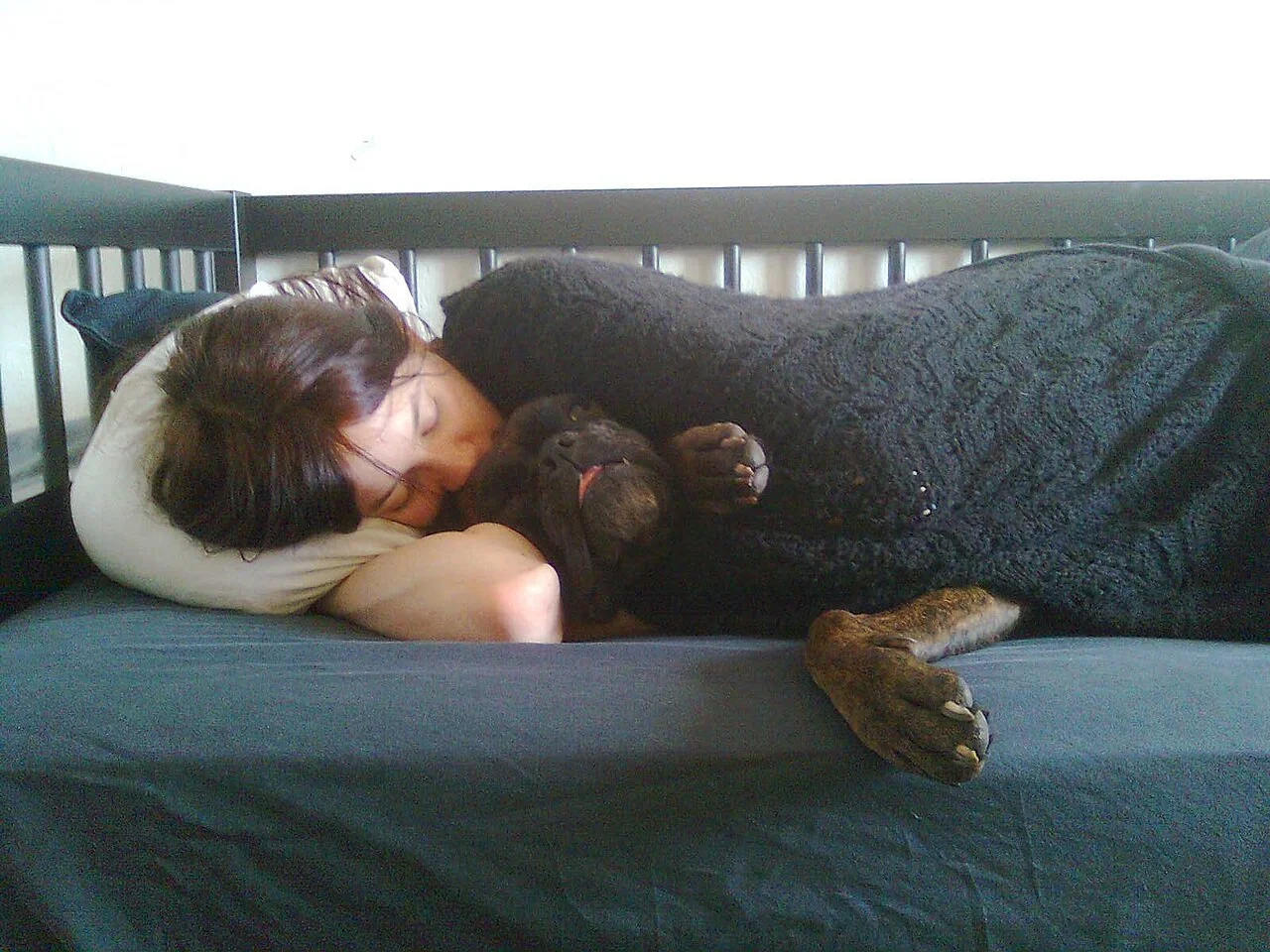
It's 2.30pm. Your stomach's full, your eyelids are heavy, and your laptop is starting to look like a pillow. If that's you after lunch, you're not alone. It even has a scientific name: postprandial somnolence, better known as food coma.
What is a food coma?
A food coma is that sleepy, low-energy, can't-focus feeling after a meal. According to Medical News Today, researchers still don't fully understand what causes it, but several factors are linked.
4 reasons you crash after eating
1. Big meals. Large meals take longer to digest and can make blood sugar rise, then dip.
2. What you eat. A 2021 study of truck drivers in China linked meat- and fish-heavy diets to more dangerous driving than vegetable- and staple-heavy diets, possibly due to post-meal fatigue.
3. Your body clock. Human alertness naturally dips between about 2pm and 5pm. Lunch just adds fuel to a slump that was coming anyway.
4. Blood flow. After eating, more blood heads to your digestive system. A small 2018 study found a sudden dip in blood flow to the brain after lunch in people who skipped breakfast.
Did you know? Scripps Research scientists studied food coma in fruit flies (2016, eLife). Flies that ate more protein and salt slept more, while sugar had no effect. Turns out flies get food comas too.
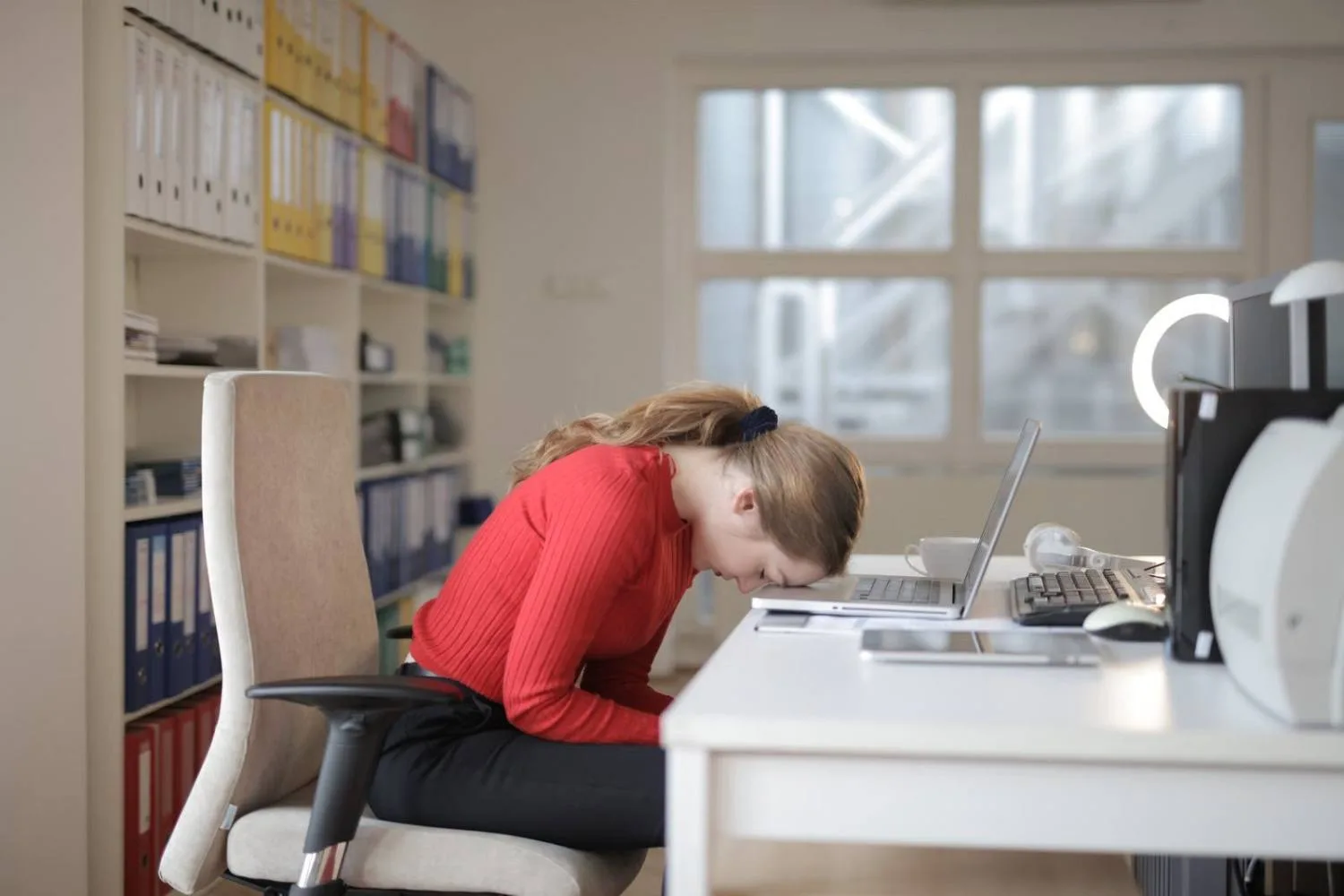
How to avoid nodding off in your afternoon meeting
There's no specific treatment for food coma, but Medical News Today suggests:
- Take a short walk after eating, ideally outside.
- Eat smaller meals more often.
- Balance your plate with vegetables and nutrient-dense food.
- Keep a consistent sleep schedule at night.
- Go easy on alcohol with meals.
- Keep a food diary to spot which foods hit you hardest.
When should you see a doctor?

If the tiredness is overwhelming and doesn't improve with rest, or food comas happen very often, see a doctor. Tests can check for underlying issues such as insulin resistance.
This article is for general information, not medical advice.
Which meal knocks you out the fastest?
This article is general information, not a substitute for medical advice. Talk to a health professional about your situation.