Did you know? That lovely rain smell has a name, and your nose is incredibly sensitive to it
Why does rain smell good? The scent is called petrichor, driven by geosmin made by soil bacteria. Here's the science behind the smell of rain.
In this article
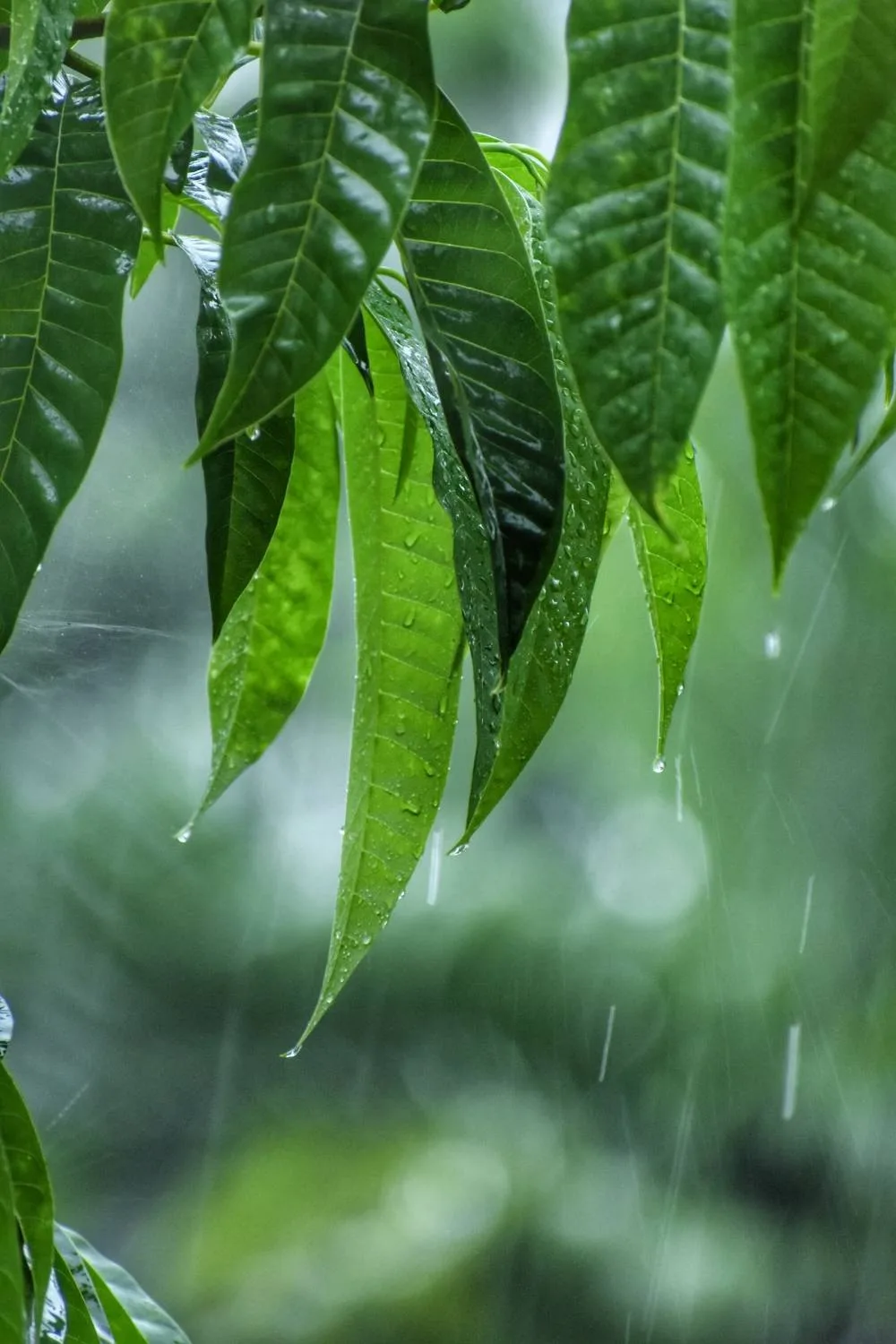
Monsoon season is here, and you know that smell: wet earth, fresh, like nature just took a shower. That rain smell has its own scientific name, petrichor, and the human nose is remarkably good at picking it up.
Where does the name petrichor come from?
The term was coined by Australian scientists Isabel Joy Bear and Richard G. Thomas in the journal Nature in 1964.
It combines two Greek words:
- petra = stone
- ichor = the ethereal "blood" of the gods in Greek myth
So petrichor loosely means "blood of the gods from stone". Pretty dramatic for wet dirt.
The star of the show: geosmin
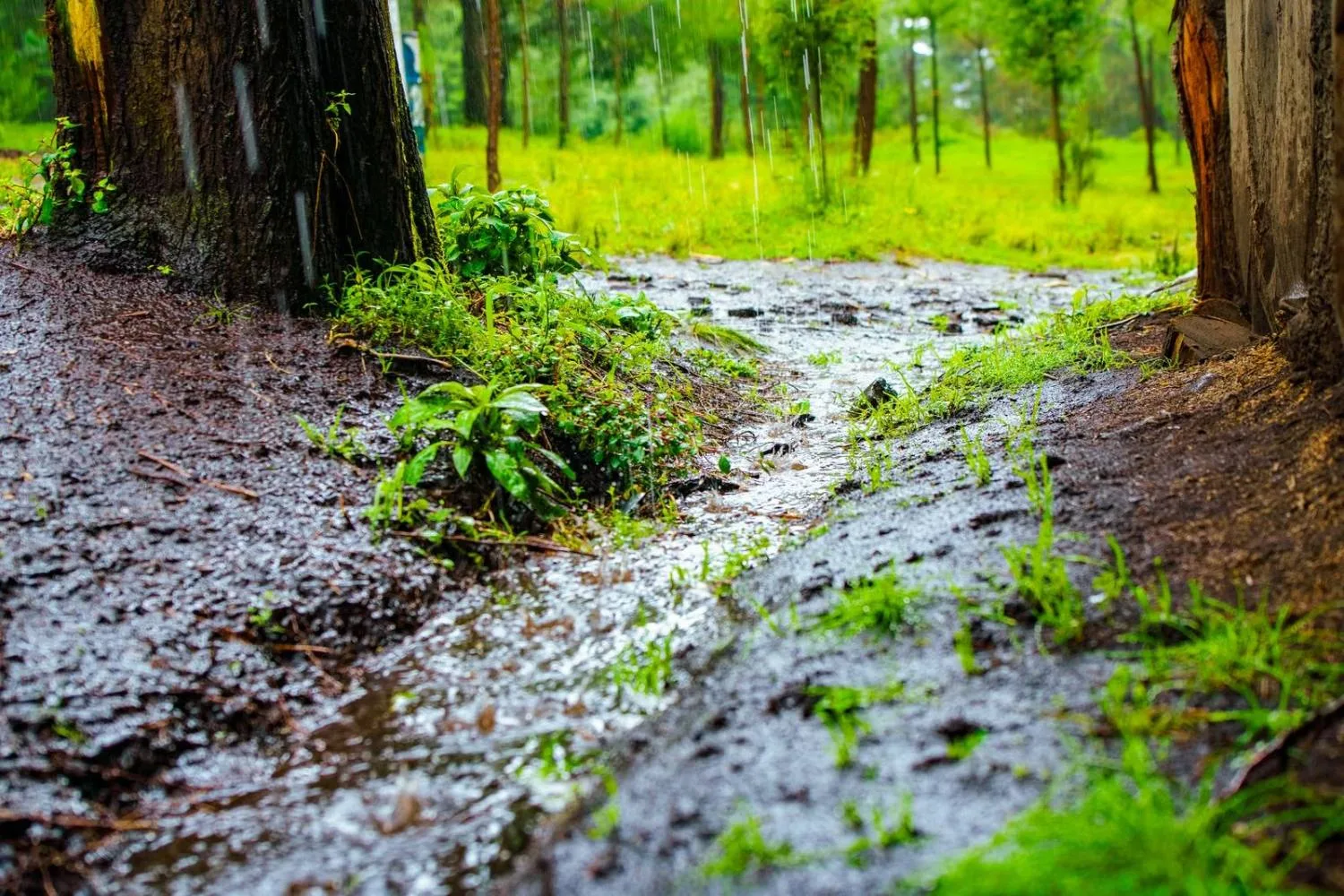
The main compound behind that earthy smell is geosmin. It's made mostly by soil bacteria such as Streptomyces, plus some blue-green algae (cyanobacteria).
During dry spells these compounds build up in the soil. When rain arrives, they're released into the air and up your nose.
The wild part: humans can detect geosmin at around 5 parts per trillion. Think one drop in a truly enormous swimming pool, and your nose still catches it.
Did you know? That sharp, "clean" smell before a storm usually isn't petrichor. It's ozone produced by lightning, which is why you can sometimes "smell" a storm before the rain arrives.
How does the smell get into the air?
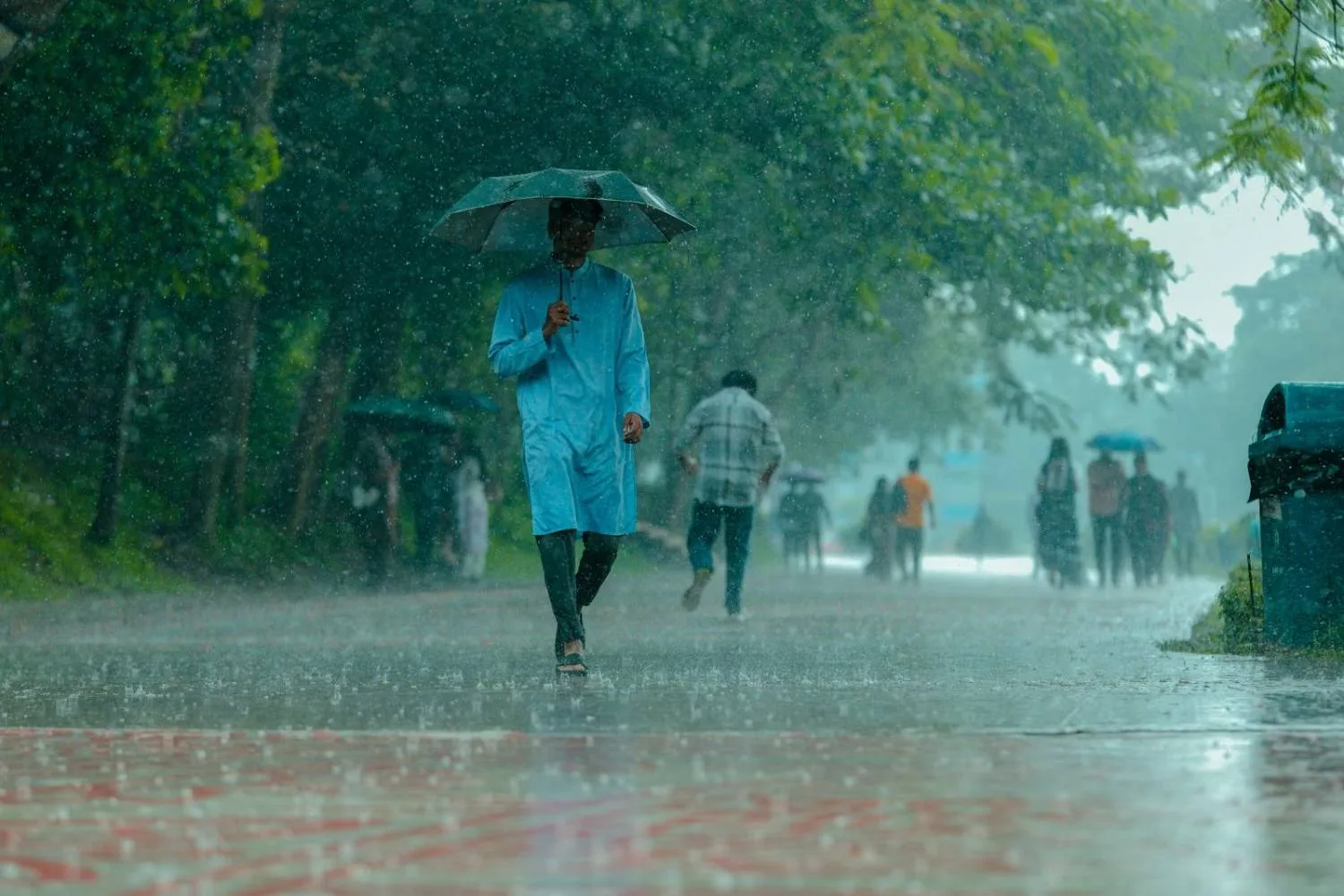
MIT researchers Cullen Buie and Youngsoo Joung filmed raindrops with high-speed cameras in roughly 600 experiments on 28 surfaces, including 16 soil samples. The study was published in Nature Communications in 2015.
What they found:
- When a raindrop hits a porous surface like soil, trapped air rises as tiny bubbles.
- Those bubbles burst and release aerosols (fine droplets) into the air, which may carry scent compounds from the soil.
- Light and moderate rain produced more aerosols than heavy rain.
That's why the smell is strongest when a drizzle first starts, not during a downpour.
Why do we love it?
Many people link that earthy smell with freshness and water. Some scientists suggest our sensitivity to geosmin may have helped early humans find water. It's still a theory, but it makes sense, right?
Which rain smell do you love most: rain on soil, or rain on hot tarmac?