Did you know? The haze keeps coming and going. Here's the real reason
Smoky in the morning, rain in the afternoon, blue sky the next day, hazy again after that. Why the 2026 haze comes and goes, the latest API readings, and whether it will return.
In this article
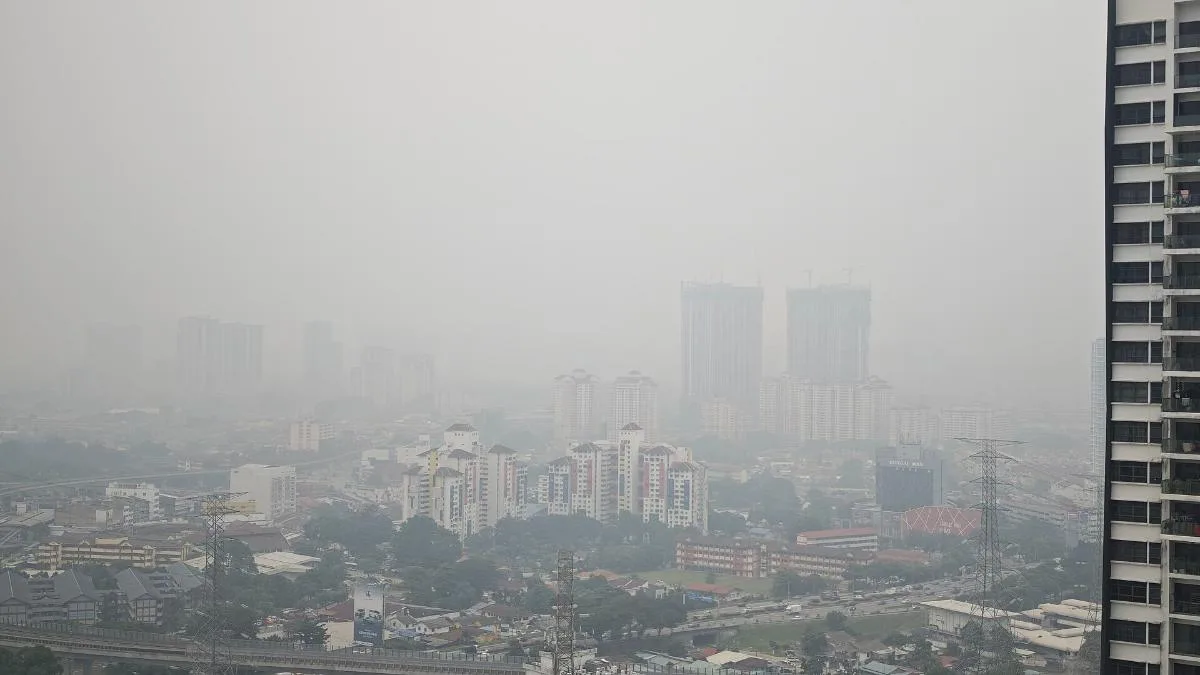
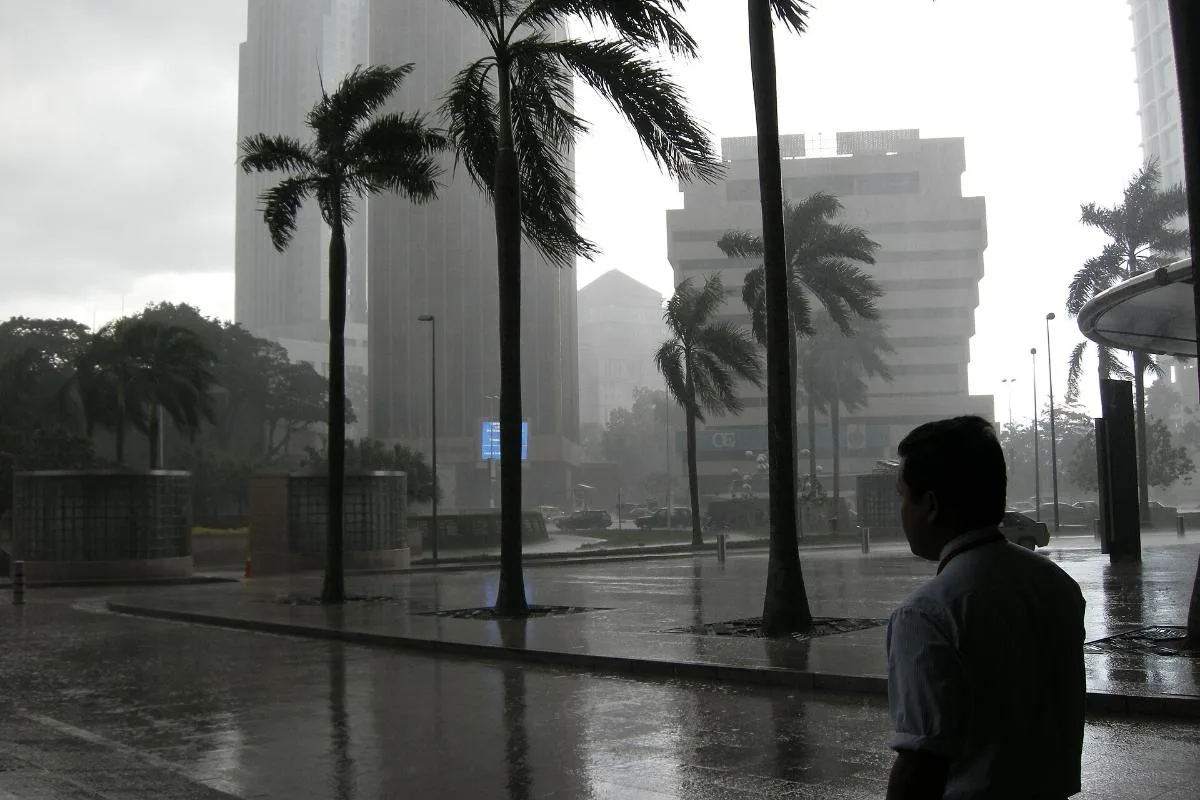
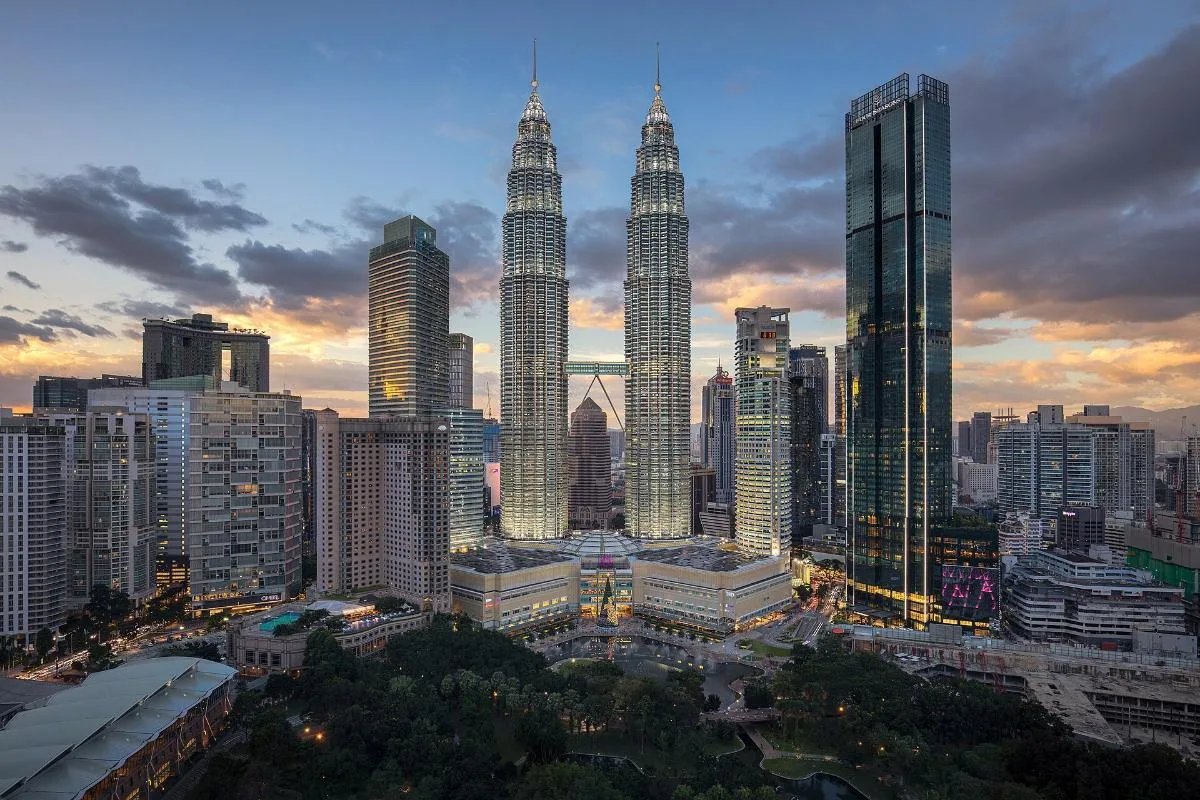
Smoky in the morning. Heavy rain in the afternoon. The next day, the sky is so blue you can see Genting. The day after, it's hazy again.
If this year's haze feels like it's "here one minute, gone the next", you're not imagining it. There's real science behind it.
Where is the smoke coming from?
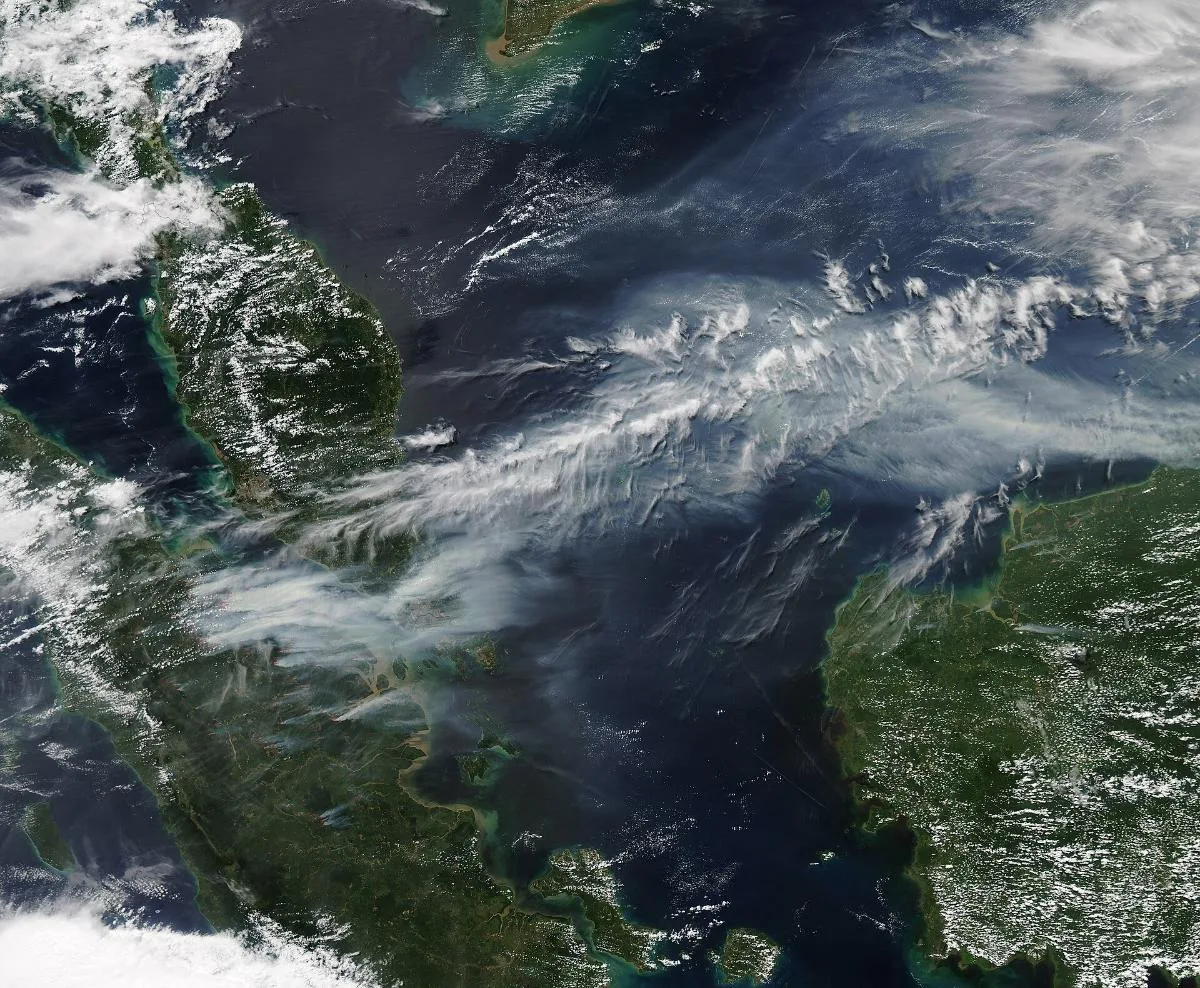
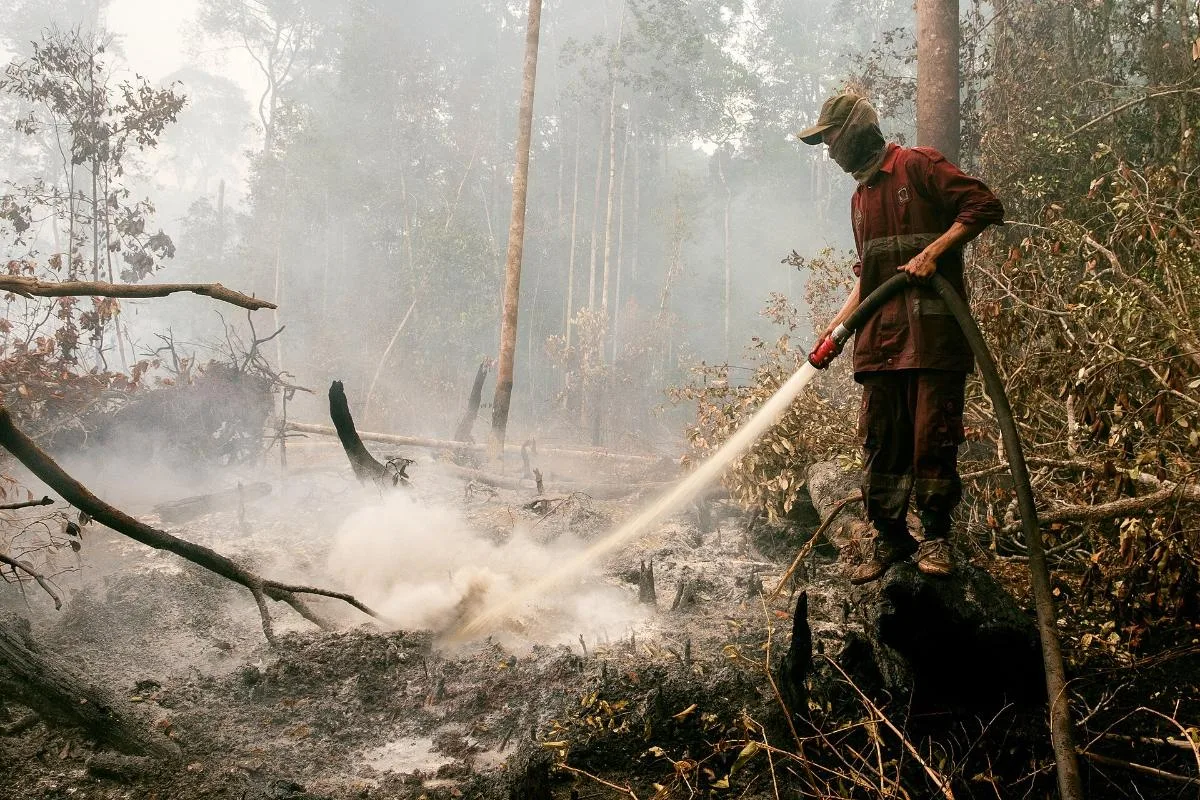
The haze we've been dealing with since 8 August 2026 is transboundary haze, according to Deputy Natural Resources and Environmental Sustainability Minister Syed Ibrahim Syed Noh (Utusan Malaysia). It comes from forest and peatland fires in Sumatra and Kalimantan, Indonesia.
The scale is huge. According to the monitor Nusantara Atlas, cited by Malay Mail, fires in Indonesia burned more than 1.9 million hectares between January and late September 2026.
Why does it keep coming and going?
1. Winds that can't make up their mind. From 9 October to late October, Malaysia was in the monsoon transition phase. According to MetMalaysia, winds during this period are weak and change direction. One day the wind blows smoke in, the next day it pushes it elsewhere. That's why the haze comes and goes.
2. Rain only "washes" it temporarily. MetMalaysia Director-General Dr Mohd Hisham Mohd Anip told Malay Mail that rain during the monsoon transition only reduces haze temporarily. Rain does bring smoke particles down, but not all at the same rate, and fresh smoke can push readings back up.
3. The smoke "factory" is still running. Universiti Malaya meteorologist Prof Datuk Azizan Abu Samah explained to Malay Mail that as long as winds blow from the south, south-west or west, fresh smoke keeps arriving from Sumatra, even right after rain has cleaned the air.
Did you know? On 19 October, while some areas were hit by heavy rain and floods, 27 areas still recorded unhealthy API readings, with Johan Setia the highest at 172 (Utusan Malaysia).
So where are we now?
The good news: things improved a lot this week.
- 25 October: most Klang Valley areas recorded moderate readings between 65 and 98 (Utusan Malaysia).
- 27 October: only Samalaju, Sarawak was still unhealthy, at 152 (AsiaOne).
- 29 October, 8pm: no DOE station recorded an unhealthy reading. The highest was Batu Muda, KL (85), still moderate (HazeMonitor, DOE data).
Note that "moderate" (51 to 100) isn't "clean". That's why the sky can still look a little hazy even when the API isn't in the unhealthy range.
When will the haze really be over?
The Northeast Monsoon was expected to run from 27 October 2026 to March 2027 (Media Selangor). According to Dr Mohd Hisham, steady north-easterly winds will mean the haze no longer drifts into Malaysian airspace.
The Rakyat Post also reported him saying no further haze episodes are expected for the rest of 2026.
But there's a catch. The same report notes that an intensifying El Niño could bring drier conditions, and the haze may return later in 2027. Read also the Super El Niño forecast and 40°C in 2027.
What you should do now
- Check the API before heading out. Use the DOE's APIMS portal or the MyIPU app for your nearest station.
- API above 100? Cut down on outdoor activity, especially for children, the elderly, and people with asthma or heart disease.
- Don't forget flash floods. The monsoon brings heavy afternoon rain. Follow MetMalaysia's myCuaca warnings.
Haze season is almost over, but the monsoon has only just begun. Read also why the KL sky suddenly went into "HD mode".
In your area, is the haze really gone, or is it still coming and going?
Sources
- Malay Mail, Why won't the rain wash away Malaysia's haze? Experts explain (21 Oct 2026)
- Malay Mail, Monsoon transition begins Oct 9 (6 Oct 2026)
- Utusan Malaysia, Jerebu berterusan meskipun hujan (19 Oct 2026)
- Utusan Malaysia, Jerebu akhirnya pulih selepas tiga bulan (25 Oct 2026)
- Media Selangor, Jerebu semakin pulih, Monsun Timur Laut halang pencemaran rentas sempadan (26 Oct 2026)
- AsiaOne, Fresh air in Malaysia again: Only Samalaju in Sarawak still unhealthy (27 Oct 2026)
- The Rakyat Post, Malaysians rejoice as three-month haze yields to changing wind (28 Oct 2026)
- HazeMonitor, DOE station API readings (29 Oct 2026, 8pm)