Did you know? Your phone might sound a siren on 19 November, here's why
MCMC will test the Cell Broadcast System (CBS), Malaysia's new disaster warning system, in flood-prone areas of Selangor, KL, Kelantan and Pahang. Don't panic, it's only a test.
In this article
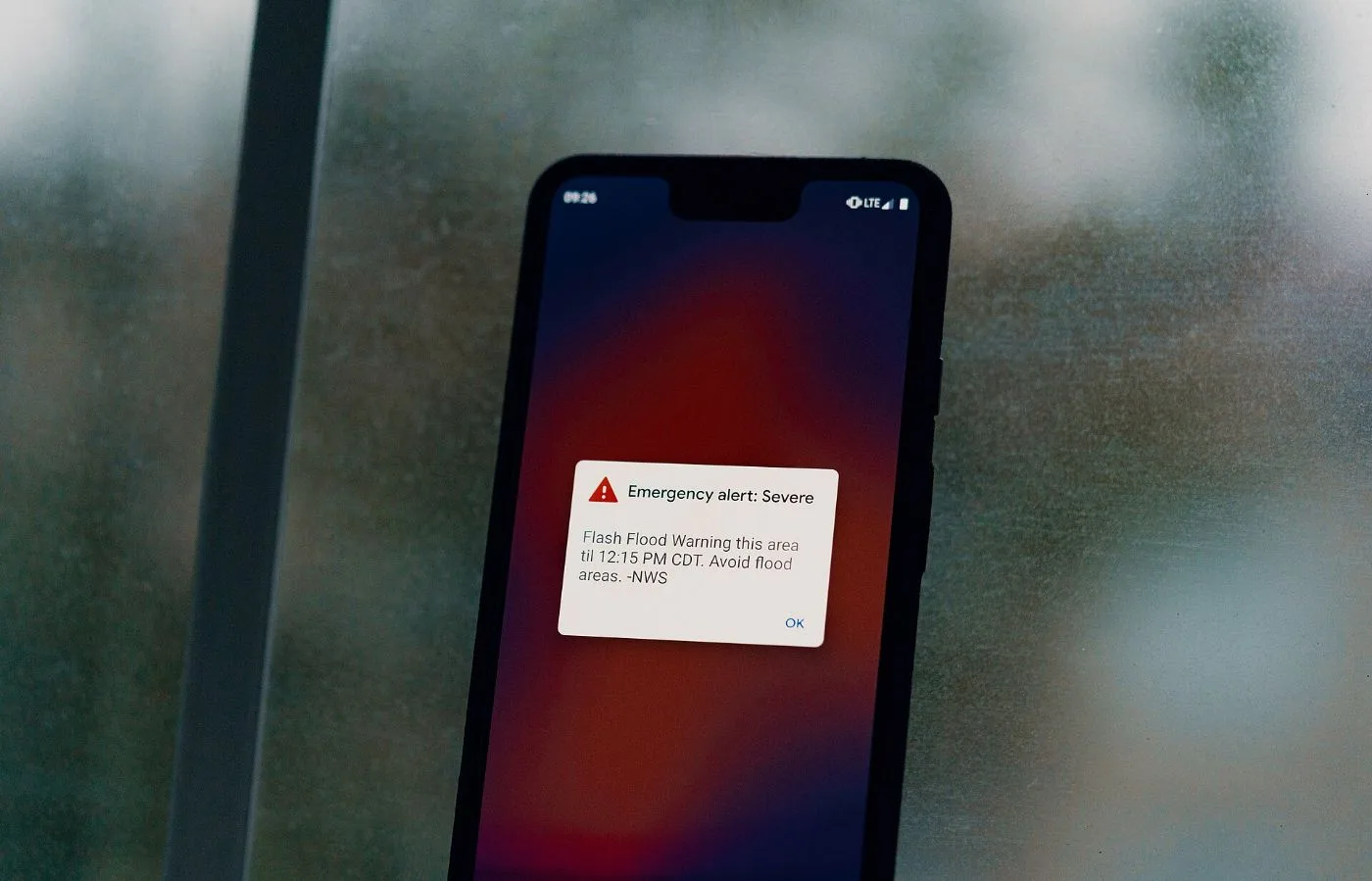
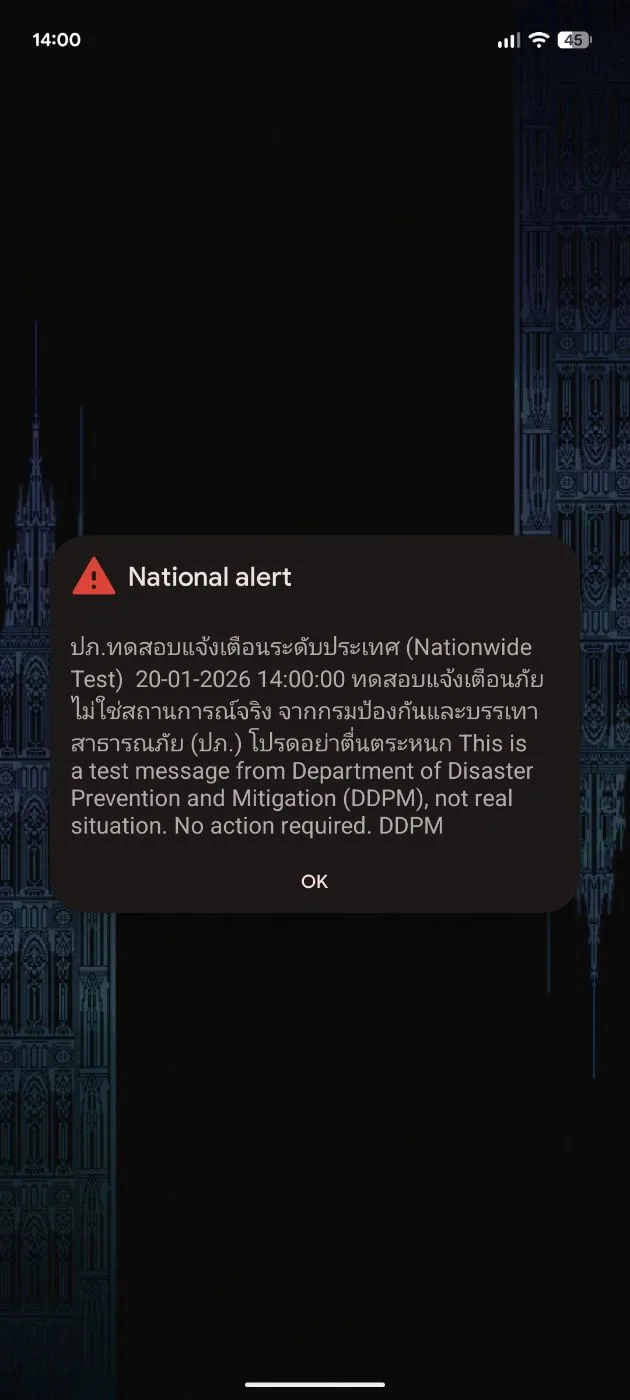
If your phone suddenly blares a loud siren and shows a disaster warning on 19 November 2026, don't panic. It's only a test.
The Malaysian Communications and Multimedia Commission (MCMC) will run a live test of the Cell Broadcast System (CBS), the country's new disaster warning system.
Important: You don't need to do anything when you get this test message. It doesn't mean a real disaster is happening.
Who will get it?
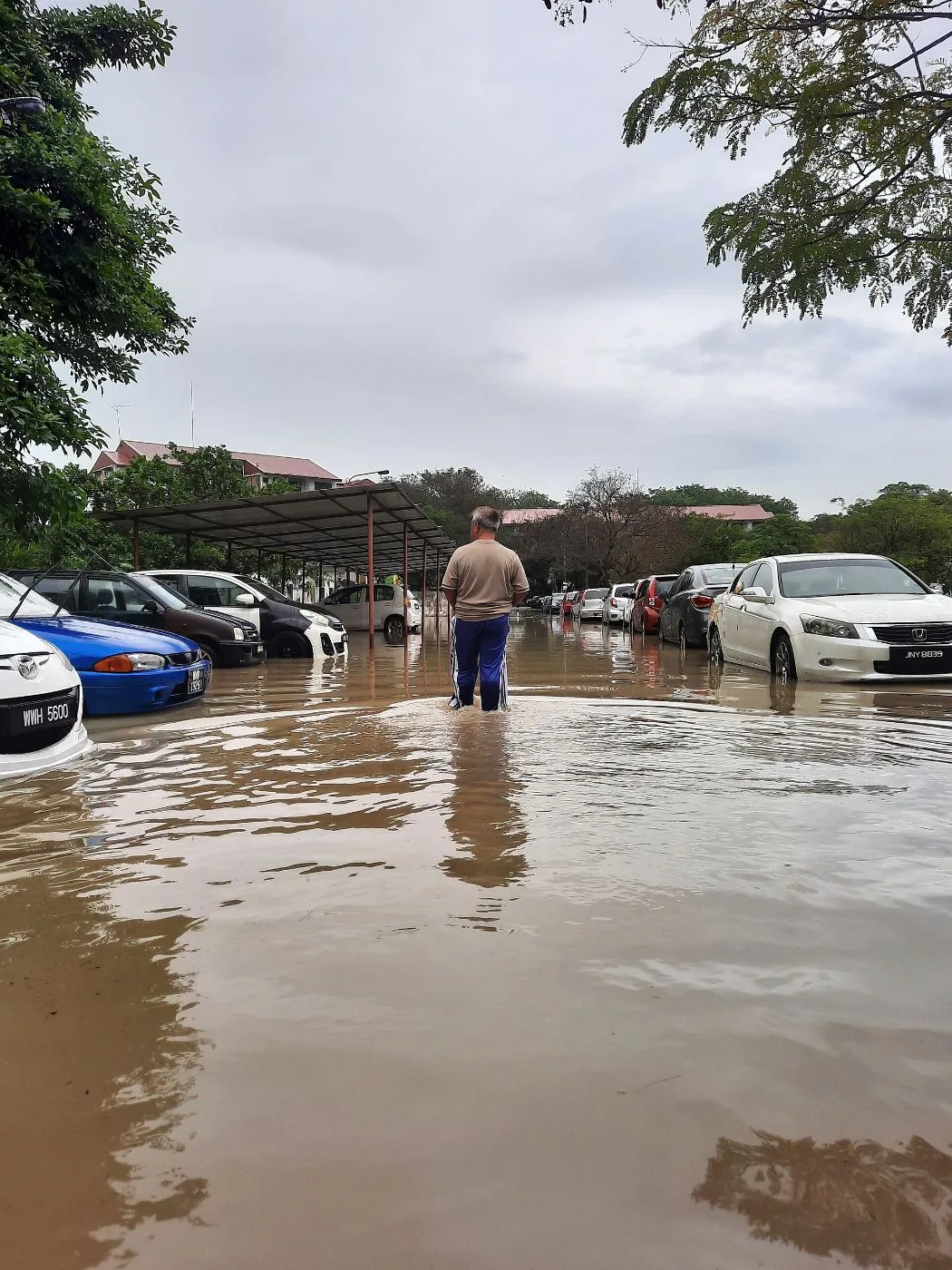
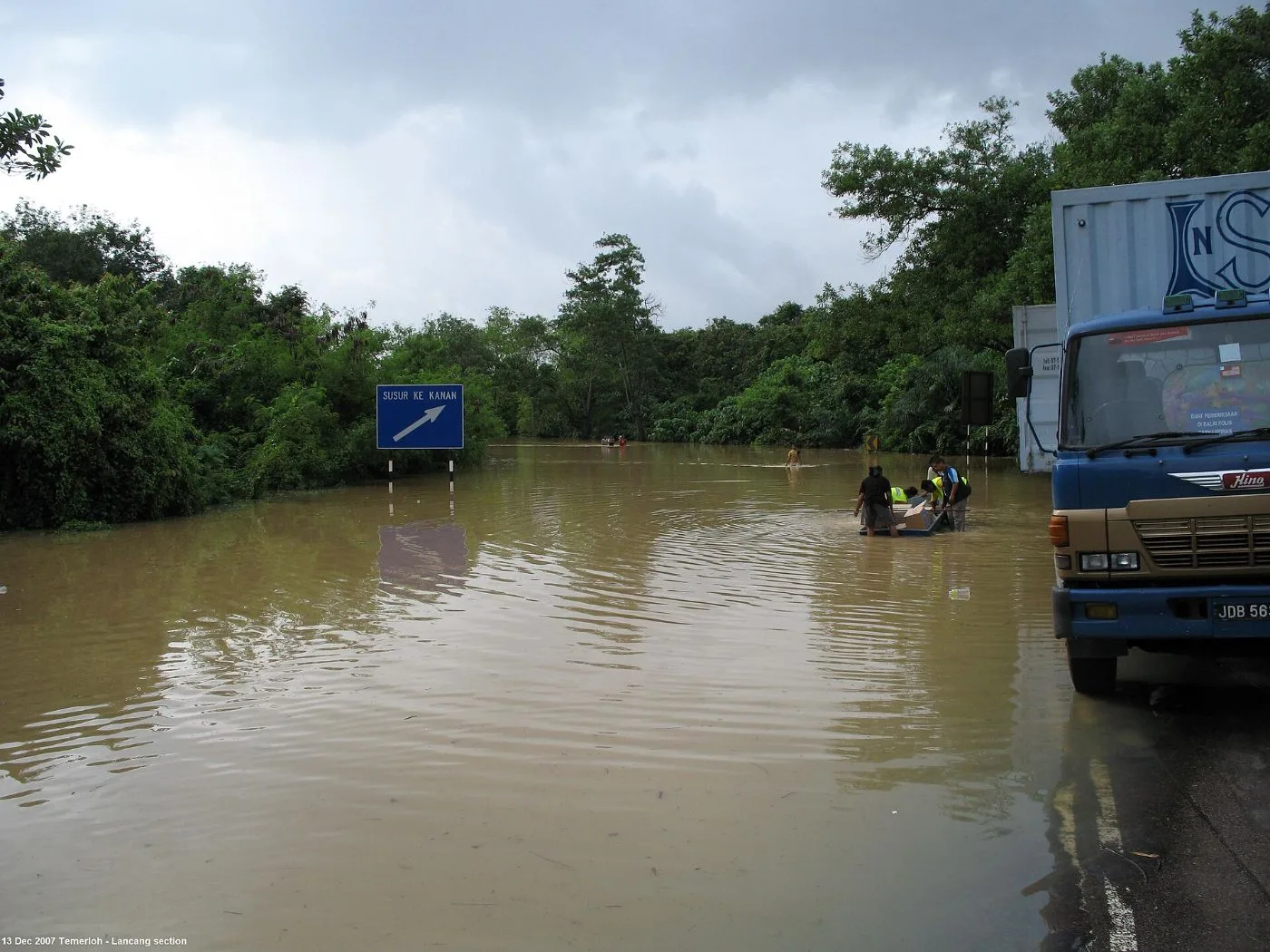
The test focuses on selected high-risk flood areas in:
- Selangor
- Kuala Lumpur
- Kelantan
- Pahang
Compatible phones connected to cell towers in those areas may sound a siren and display a test warning message. So far, the exact locations and time of the test haven't been detailed.
What is Cell Broadcast?
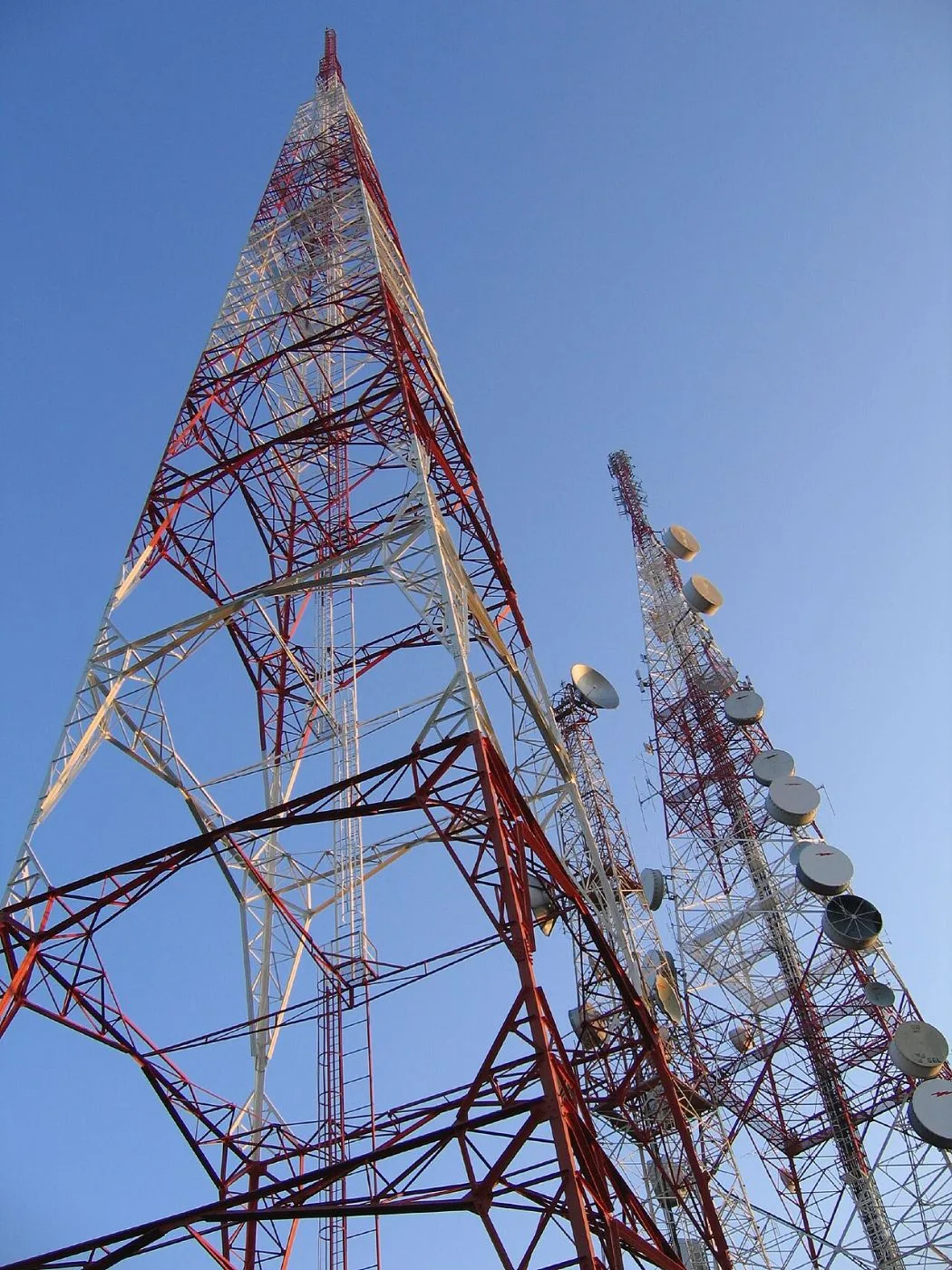
Think of it as a loudspeaker on a telecom tower. CBS sends alerts directly from cell towers to every compatible phone in an area, all at once.
The advantages:
- No phone number needed. Alerts go out by area, not by a list of numbers.
- No mobile data or app needed. There's nothing extra to install.
- Still gets through when networks are congested. During a disaster, lots of people call at once and networks get jammed. CBS is designed to get through anyway.
- Works across telcos. According to Lowyat.NET, alerts can be received as long as at least one mobile network in the area is still working.
- Accessible. Audio alerts, vibration and screen reader support on compatible phones.
How is it different from today's SMS alerts?
Right now, flood warnings go out as bulk SMS from NADMA and the telcos. SMS messages are sent to numbers one by one, so they can be slow when networks are busy.
CBS is expected to replace this SMS system. According to the New Straits Times, the 19 November test is the final phase of live testing before the system goes into use.
Did you know? According to UN figures cited by Malay Mail, at least 44 countries already use mobile phone warning systems for earthquakes, tsunamis and storms.
It has limits too
CBS still depends on cell towers. If floods, landslides or power cuts knock out base stations, alerts may not get through. Rural areas with weak coverage also remain a challenge.
Make sure your phone can receive it
Most modern smartphones have emergency alert settings. The names differ by brand, but usually:
- Android: look for "Wireless emergency alerts" in Settings.
- iPhone: go to Settings > Notifications and check the Government Alerts section at the very bottom.
Make sure they're switched on, so you won't miss a real alert once the system is fully in use.
During floods, keep these handy
- 999 (MERS 999) for emergencies
- The myCuaca app for MetMalaysia weather warnings
- The Public Info Banjir portal (JPS) for river water levels
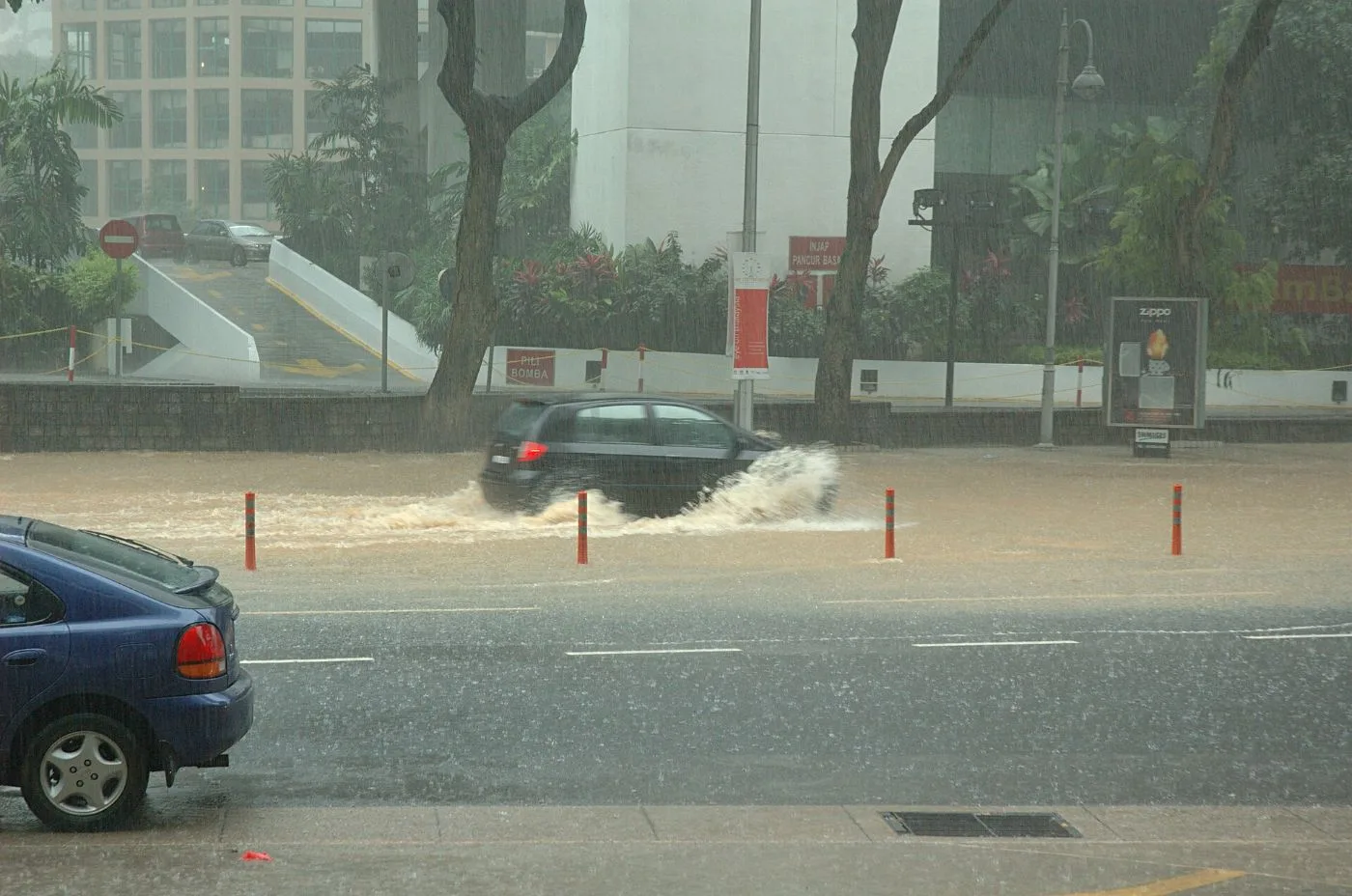
The Northeast Monsoon has already started. Read also what each MetMalaysia weather alert level means.
Do you live in an area that might get the test? Share this with your family so nobody panics.
Sources
- Malay Mail, MCMC testing new disaster warning system on Nov 19: Here's why your phone might sound an alarm (14 Oct 2026)
- Lowyat.NET, MCMC To Test Cell Broadcast Disaster Alert System On 19 November (Oct 2026)
- New Straits Times, Disaster alert Cell Broadcast System in final phase, live testing on Nov 19 (Oct 2026)
- SoyaCincau, MCMC testing new disaster warning system on 19 Nov (13 Oct 2026)
- TRP, 19 November: Don't Panic, Malaysians - It's A Test (14 Oct 2026)