Did you know? Malaysia's Northeast Monsoon 2026 starts October 27, here's what the alerts mean
Malaysia's Northeast Monsoon 2026 starts October 27. Why thunderstorms love the afternoon, what Waspada, Buruk and Bahaya alerts mean, and how to check rivers.

In this article
Noticed the pattern lately? Clear blue skies in the morning, then a sudden downpour by mid-afternoon. That's not bad luck. We're at the tail end of the monsoon transition, and MetMalaysia expects the Northeast Monsoon 2026 to begin on Tuesday, October 27.
So it's a good time to understand what's happening overhead, and what all those weather alerts on your phone actually mean.
Why do thunderstorms love the afternoon?
The monsoon transition kicked off on October 9 and runs until the end of the month. It marks the end of the Southwest Monsoon, which started on May 14.
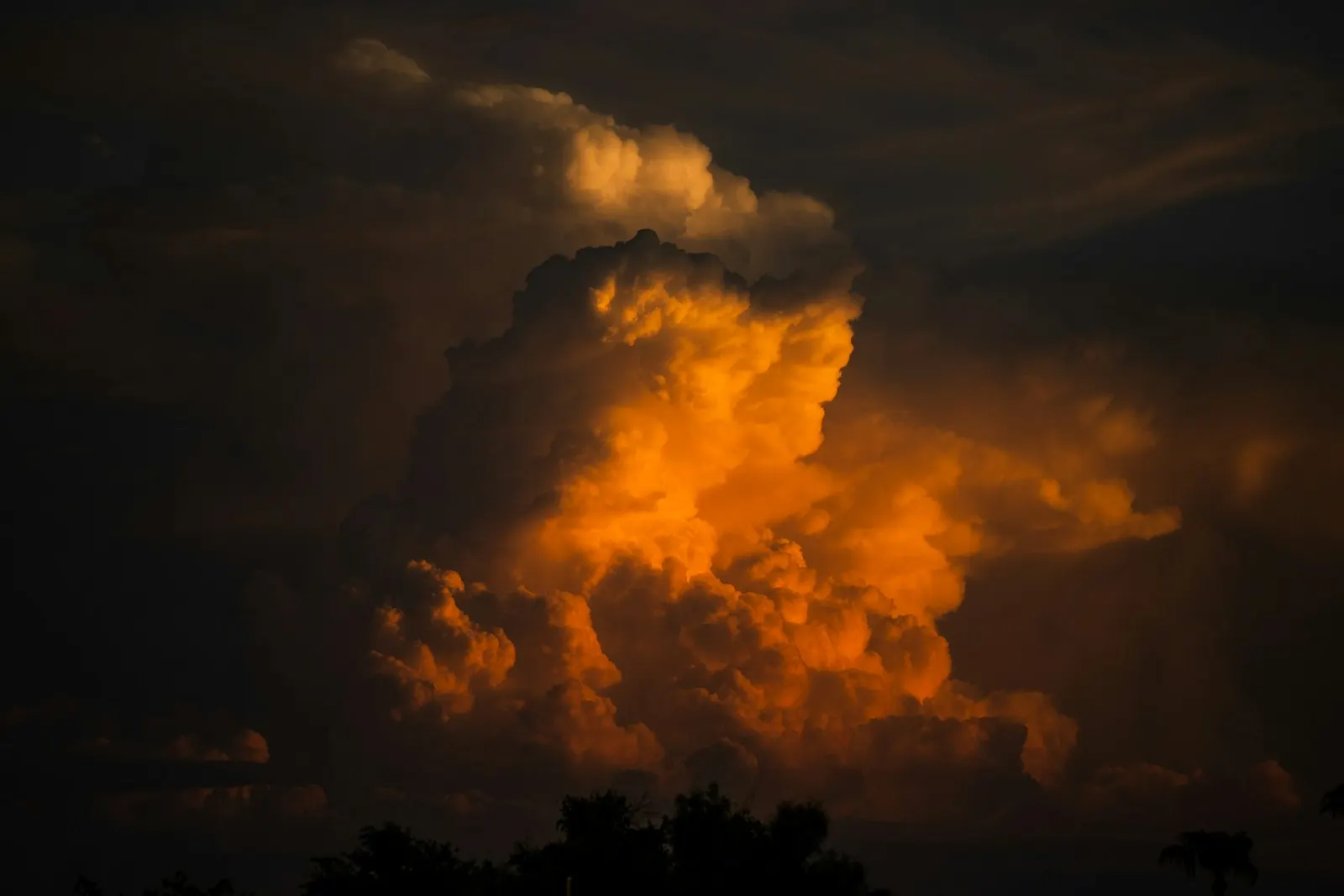
During this phase, MetMalaysia says winds are weak and come from shifting directions. Without a strong wind to push clouds along, storms can build right where they are. Here's roughly how it works:
- The sun heats the ground all morning.
- Warm, moist air near the surface gets lighter and rises.
- As it cools, water vapour condenses into droplets and releases heat, which makes the air climb even faster.
- The result is a tall cumulonimbus cloud, bringing heavy rain, lightning and strong gusts.
That heating peaks after midday, which is why MetMalaysia says these storms mostly hit in the afternoon and early evening, especially across the western and interior Peninsula, plus western Sabah and Sarawak.
Did you know? A typical single thunderstorm cell often lasts only around 30 to 60 minutes. Short, but more than enough to trigger a flash flood when a lot of rain falls fast.
What changes when the Northeast Monsoon arrives
According to MetMalaysia's media statement dated October 23, 2026:
- Duration: October 27, 2026 to March 2027.
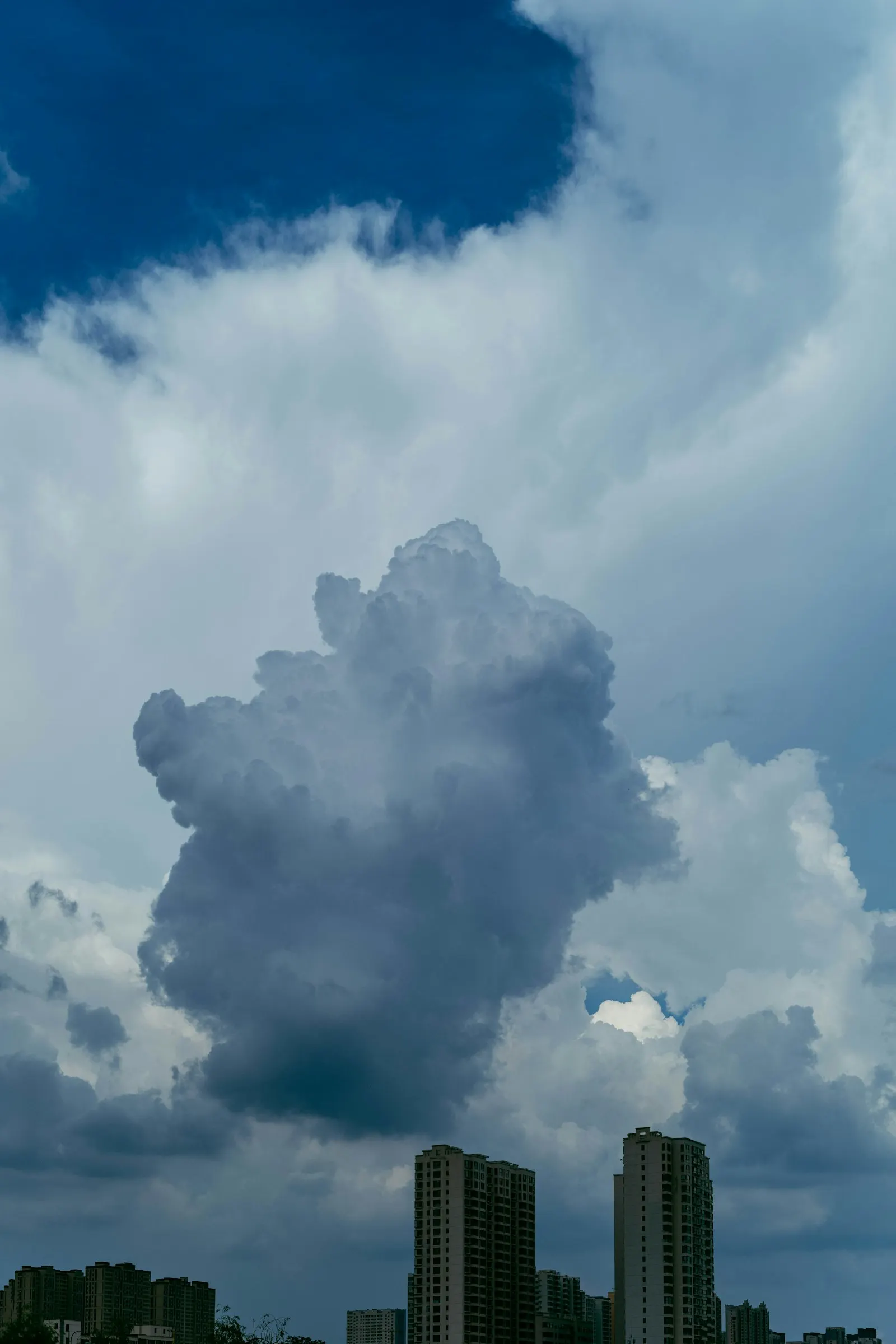
- Heavy rain: 3 to 5 episodes of continuous heavy rain are expected between November 2026 and January 2027. Areas near rivers and low-lying areas face flood risk.
- Sea: strong, sustained northeasterly winds can whip up rough seas in the South China Sea.
- Late phase: from January to March 2027, rainfall is expected to drop, especially in the northern Peninsula states and Sabah. MetMalaysia links this to the very strong El Niño currently underway, with the potential for hot, dry weather.
Waspada, Buruk, Bahaya: what the alert levels mean
MetMalaysia's website lists several alert types, including Thunderstorm, Continuous Rain, Strong Winds & Rough Seas, Tropical Storm and Earthquake/Tsunami. These two are the ones you'll see most this season:
1. Thunderstorm warning Issued when thunderstorms with more than 20 mm of rain per hour are happening or expected. It's a short-term alert, valid for no more than 6 hours.
2. Continuous rain warning (1 to 3 day outlook)
| Level | Colour | In plain terms |
|---|---|---|
| Waspada (Alert) | Yellow | Continuous rain is expected to start, or current rain or storms are expected to continue |
| Buruk (Bad) | Orange | Continuous heavy rain expected |
| Bahaya (Danger) | Red | Continuous very heavy rain expected |
For reference, convective rain of more than 60 mm within 2 to 4 hours can typically cause flash floods (per JPS Selangor).
How to check alerts and river levels

Save these official channels on your phone:
- MetMalaysia website: met.gov.my for the latest alerts.
- myCuaca app (MetMalaysia): forecasts and alerts by location. More on the myCuaca page.
- MetMalaysia hotline: 1-300-22-1638.
- Public Infobanjir (JPS): publicinfobanjir.water.gov.my shows river levels by state and station, marked Normal, Waspada (Alert), Amaran (Warning) or Bahaya (Danger), plus whether the water is rising or falling.
If you live near a river or in a low-lying area, make a habit of checking your nearest station whenever heavy rain just keeps going.
Monsoon season comes around every year. What makes the difference is how ready we are. Got the myCuaca app on your phone yet?
Sources
- MetMalaysia, Media Statement on the Start of the 2026/2027 Northeast Monsoon (23 October 2026)
- Utusan Malaysia, MTL bermula 27 Oktober (23 October 2026)
- Malay Mail, Monsoon transition begins Oct 9 (6 October 2026)
- SAYS, What does 20mm/h of rain mean (25 November 2025)
- meteoblue, The Lifecycle of a Thunderstorm Cell
- Public Infobanjir, Department of Irrigation and Drainage Malaysia


