Did you know? Peninsular Malaysia 'lost' 30 minutes on New Year's Eve 1981, and that's why sunrise feels so late
On 31 December 1981, clocks in Peninsular Malaysia jumped straight from 11.30pm to midnight. Why Malaysia switched to GMT+8, and how it still shapes your mornings.
In this article
Picture this: you're waiting for the New Year countdown, the clock says 11.30pm, and suddenly it jumps straight to midnight. That's exactly what happened in Peninsular Malaysia on 31 December 1981. The year 1982 arrived 30 minutes early.
It wasn't a glitch or a prank. It was an official government decision, and we still feel it every morning.
What actually happened?
Before 1982, Malaysia ran on two time zones:
- Peninsular Malaysia: GMT+7:30
- Sabah and Sarawak: GMT+8
So when it was 9am in Kuala Lumpur, it was already 9.30am in Kota Kinabalu. That half-hour gap disrupted working hours, especially at the start and end of the office day.
The government of then-Prime Minister Tun Dr Mahathir Mohamad introduced the Malaysian Standard Time Act 1981 (Act 261). From 1 January 1982, the whole country ran on one time: GMT+8, matching Sabah and Sarawak. Singapore made the same switch on the same day.

Why GMT+8 and not GMT+7:30?
According to SAYS, Tun Dr Mahathir said East Malaysian time was chosen because it was more in line with international practice, where time zones usually differ by a full hour rather than half an hour.
A study of the December 1981 parliamentary debate notes other reasons: one national time made official communication easier and brought the two regions closer, and Sabah and Sarawak's time was seen as the best fit for making use of daylight.
Geographically, though, we're really GMT+7
Here's the part most people miss. Peninsular Malaysia sits at roughly 100° to 104° East, which naturally fits GMT+7. Malaysian Standard Time, however, is based on the 120° East meridian (under the National Measurement System Act 2007).
So since 1982, people on the Peninsula have lived about an hour ahead of their "sun clock". That's why sunrise feels late.
Here's what it looks like today, 28 October 2026 (estimates calculated by TAU TAK?):
| City | Sunrise | Solar noon |
|---|---|---|
| Alor Setar | 7.04am | 1.02pm |
| Kuala Lumpur | 6.56am | 12.57pm |
| Singapore | 6.46am | 12.48pm |
| Kuching | 6.20am | 12.22pm |
| Bangkok (GMT+7) | 6.11am | 12.01pm |
| Kota Kinabalu | 6.01am | 11.59am |
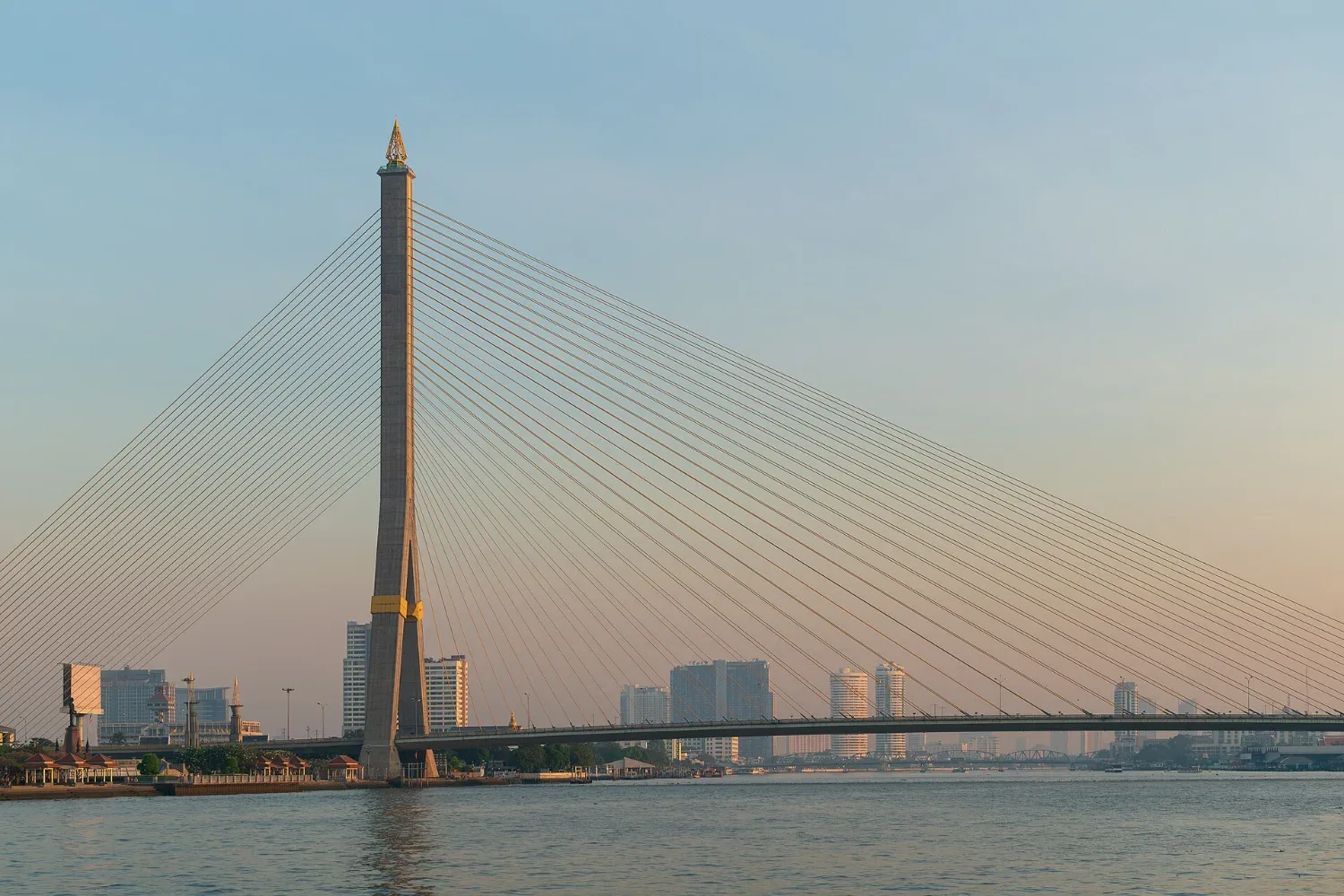
Notice something? Bangkok sits at roughly the same longitude as KL, yet the sun rises there 45 minutes earlier by the clock. The sun isn't playing favourites. Thailand simply uses GMT+7 while we use GMT+8.

Not the first time our clocks changed
1982 is just one chapter in a long story. According to BiblioAsia, published by the National Library Singapore, time in Singapore, then part of British Malaya, changed like this:
| Date | Time zone | Why |
|---|---|---|
| Before June 1905 | GMT+6:55:25 | Local time based on the sun's position |
| 1 June 1905 | GMT+7 | To standardise railway timetables |
| 1 January 1933 | GMT+7:20 | "Daylight saving", more daylight after work |
| 1 September 1941 | GMT+7:30 | To align with BBC broadcasts as war loomed |
| 16 February 1942 | GMT+9 | The Japanese Occupation imposed "Tokyo Time" |
| 12 September 1945 | GMT+7:30 | Restored after the Japanese surrender |
| 1 January 1982 | GMT+8 | To align with Malaysia |
SAYS also reports that Malaysia's time zone had changed six times before 1981.
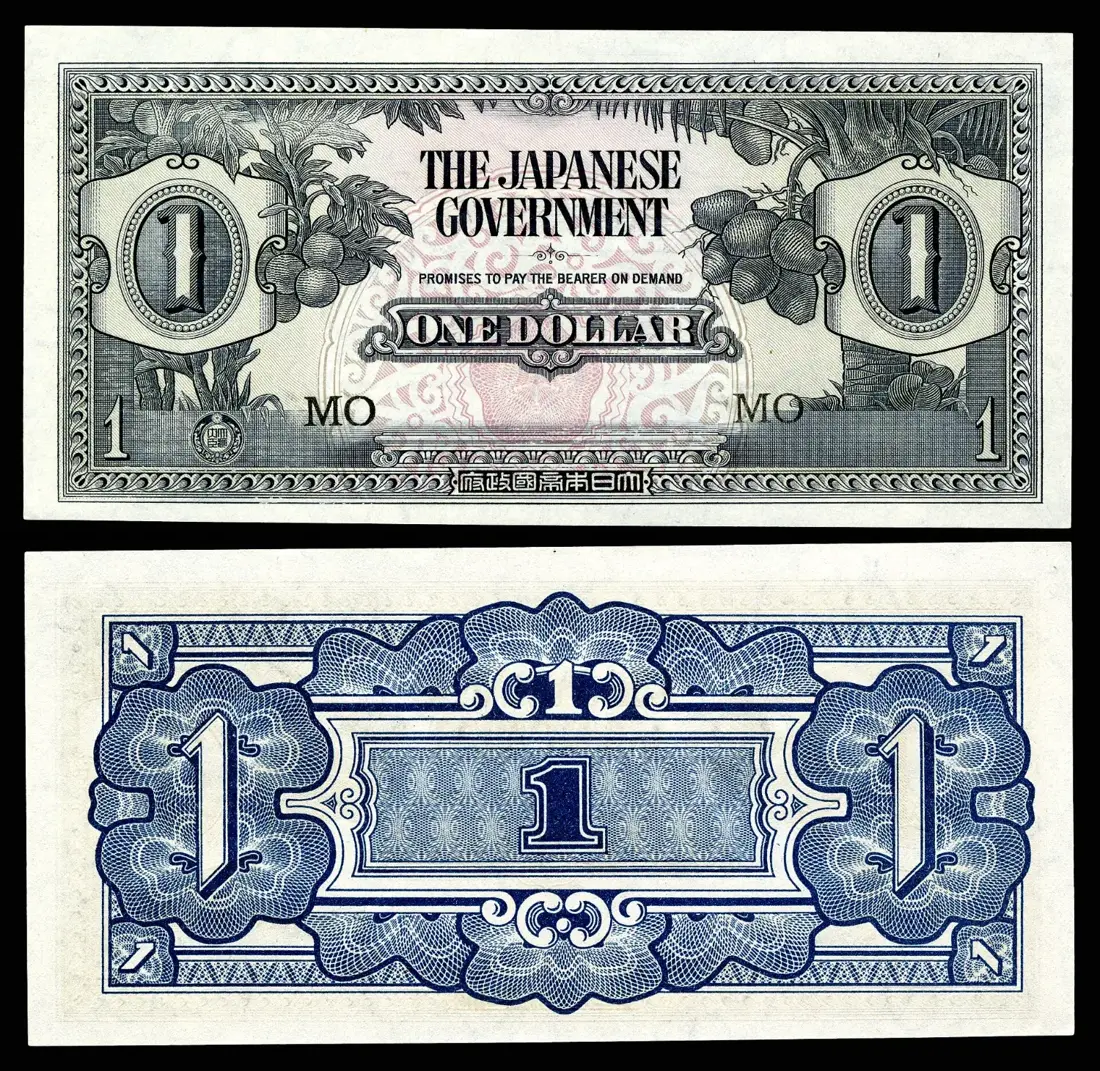
Did you know? During the Japanese Occupation, Malaya was forced onto Tokyo Time (GMT+9), an hour and a half ahead of the usual time back then. Imagine the sun rising at almost 8am!
Should we switch back to GMT+7?
This debate resurfaces every few years. GMT+7 supporters say brighter mornings could help sleep, productivity and dealings with neighbours like Thailand and Indonesia. In November 2025, a post by Tengku Zafrul about sunrise reignited the issue.
So far, though, the government has no plans to change. On 5 March 2024, Deputy Investment, Trade and Industry Minister Liew Chin Tong told the Dewan Rakyat there were no plans to move to GMT+7. Among the reasons: GMT+8 follows international practice, and the human body clock can adapt well.
So next time you struggle to wake up...
At least now you've got a historical excuse. Your clock says 7am, but by the sun, on the Peninsula it's really only about 6am.
Are you team GMT+7, or happy with GMT+8?
Sources
- The Star, QuickCheck: Did Peninsular Malaysia 'lose' 30 minutes on New Year's Eve in 1981? (16 Oct 2026)
- SAYS, Did You Know: Malaysia Once Had 2 Different Time Zones
- BiblioAsia (National Library Singapore), Daylight Robbery: Singapore's Shifting Time Zones (Oct-Dec 2025)
- Hamdan Aziz et al., The Change of Malaysian Standard Time: A Motion and Debate in the Malaysian Parliament, IJARBSS (2017)
- Selangor Journal, No plans to adjust Malaysian Standard Time to GMT+7, says ministry (5 Mar 2024)
- theSun, Tengku Zafrul's sunrise post revives Malaysia time zone debate (20 Nov 2025)