Did you know? Japan, the UK and Europe are telling people to stockpile food. Here's the real reason
Japan wants households to keep at least 3 days of food and water, the UK says 72 hours. Many people assume it's about war. What are the official reasons, and what's the lesson for Malaysia?
In this article
Social media went into overdrive this week: Japan and the UK are telling people to stockpile food and water. Plenty of people immediately asked, "Is a war coming?"
Hold on. Let's look at what was actually announced, and the official reasons.
Japan: at least 3 days, ideally a week
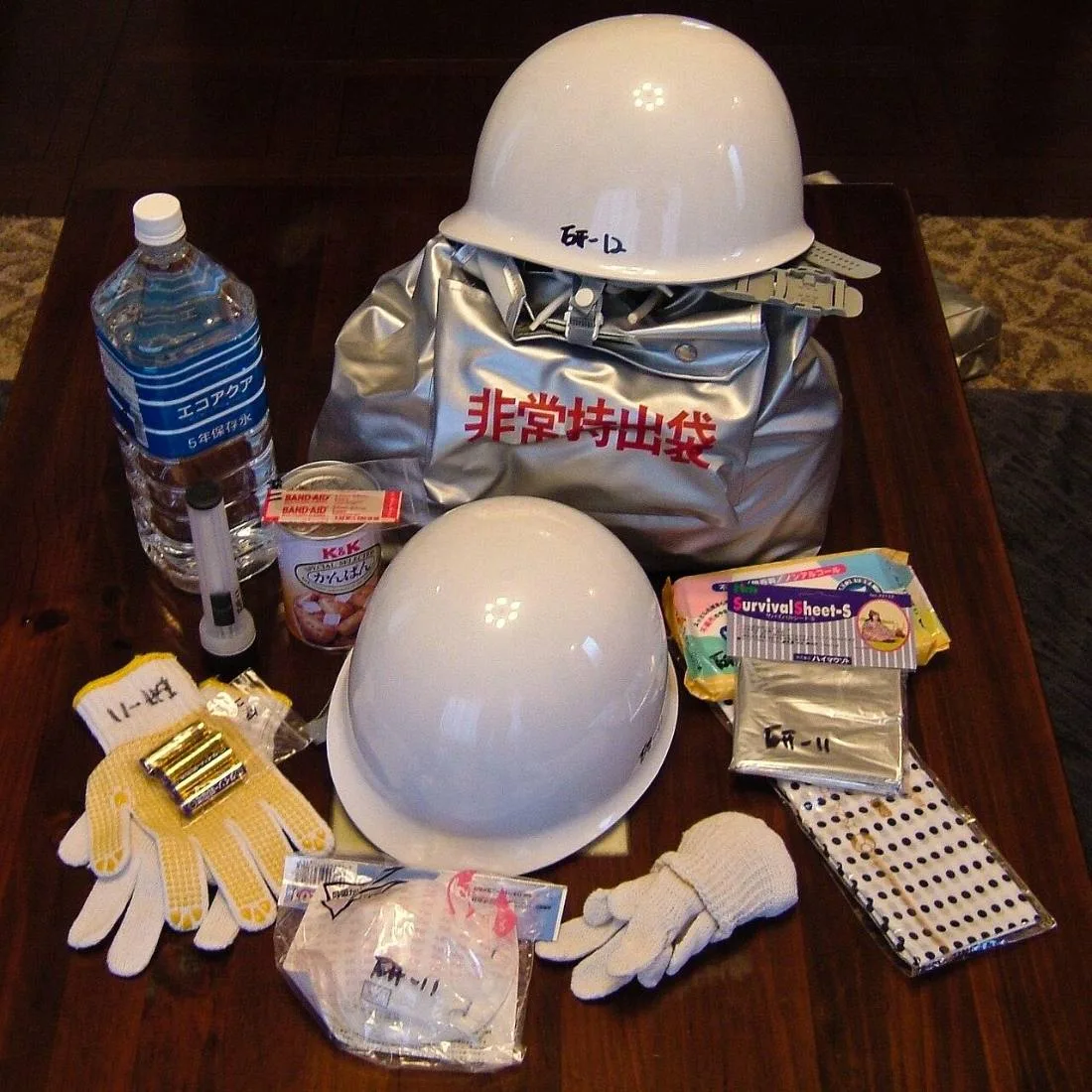
On 27 October 2026, Japan's disaster management minister Goshi Hosono announced that the government will ask everyone to keep food, drinking water and toilet supplies for at least 3 days, and a week if possible (Seoul Economic Daily).
The "urgent request" will go out on 2 November 2026, the day Japan's new Disaster Prevention Agency launches. It will also go to all ministries and prefectures.
Why? Because government help may be slow to arrive right after a major disaster. The threats named are:
- A Nankai Trough megaquake
- An earthquake directly beneath Tokyo
- Massive quakes along the Kuril and Japan trenches
- An eruption of Mount Fuji
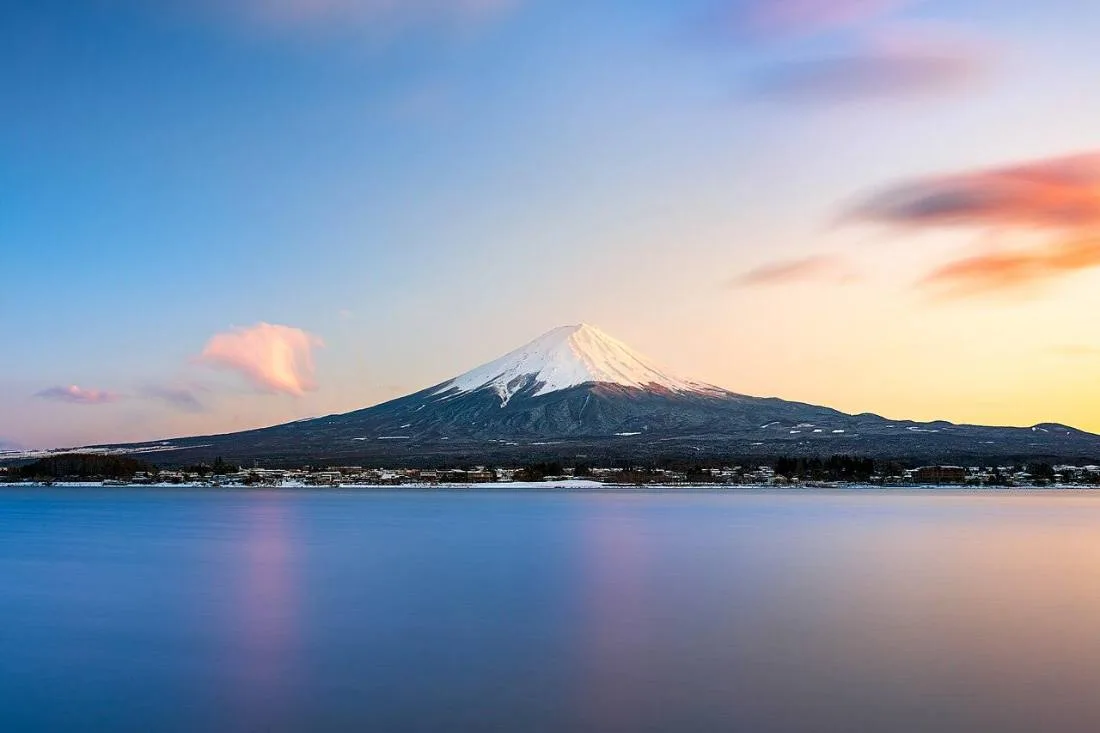
Japan also plans to upgrade evacuation shelters with more toilets, hot meals, beds and bathing facilities.
UK: the "Be Ready" campaign, 72 hours
In the United Kingdom, the "Be Ready" campaign launched on 22 October 2026. Households are asked to be ready for 72 hours of disruption (Seoul Economic Daily):
- 3 litres of water per person per day
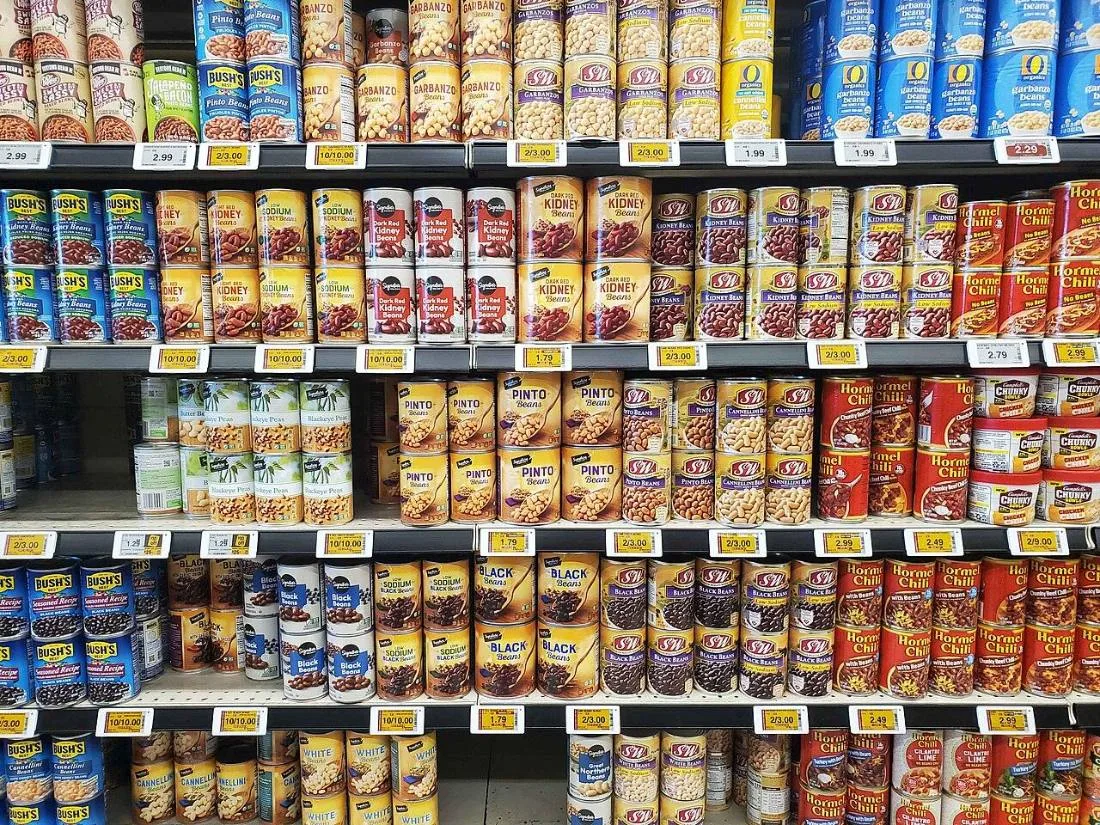
- Food that doesn't need cooking
- Torches, batteries, chargers and a radio
- Medicines, toilet paper and cash
The risks mentioned include wildfires, extreme weather, cyber incidents, hostile states and organised crime (Business Today). Their tip: build it up gradually during regular shopping, no need to buy everything at once.
Europe: this isn't actually new
The 72-hour advice isn't new in Europe. On 26 March 2025, the European Commission launched a preparedness strategy encouraging EU citizens to be self-sufficient for at least 72 hours, with 30 actions for member states (Euronews).
The risks named back then included natural disasters, industrial accidents, and cyber and military attacks. Commissioner Hadja Lahbib said the threats are bigger now, so preparation needs to be bigger too.
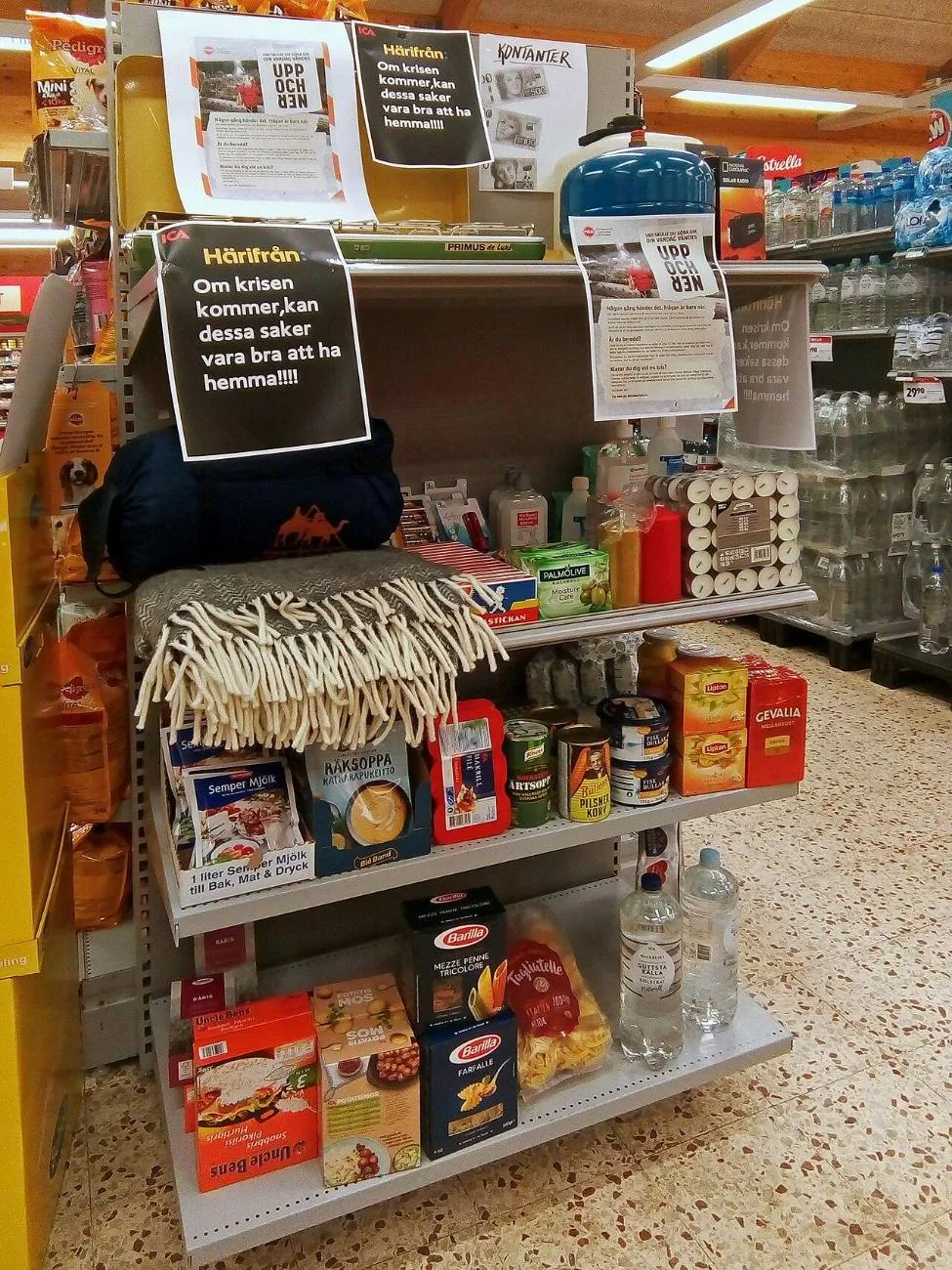
Sweden went even earlier. In November 2024, its "In Case of Crisis or War" brochure went to more than 5 million households, asking people to be ready to cope without outside help for at least a week (Pulse).
So, is a war coming?
The official statements don't say a war is coming. Japan cites natural disasters, and the UK cites disruption such as storms, wildfires and cyberattacks. Only Sweden explicitly mentions "war" in its brochure, and that dates back to 2024.
Pulse concludes these measures reflect general preparedness, not an expectation of an imminent global disaster.
Did you know? The basic idea is simple: in the first few days after a disaster, government help may not have arrived yet. Homes with basic supplies can look after themselves, so rescuers can focus on those who need help most.
What about Malaysia?
We don't get major earthquakes like Japan, but we do get floods, and the Northeast Monsoon has just begun. MetMalaysia has shared a "1 Home, 1 Emergency Bag" infographic (eCentral) with this list:
- A waterproof bag and a case for important documents
- A torch, a whistle and a mini radio
- Long-lasting food (biscuits, canned food, infant formula)
- Bottled drinking water
- A power bank and phone
- A hygiene kit and a first-aid kit
- Some cash and a set of clothes
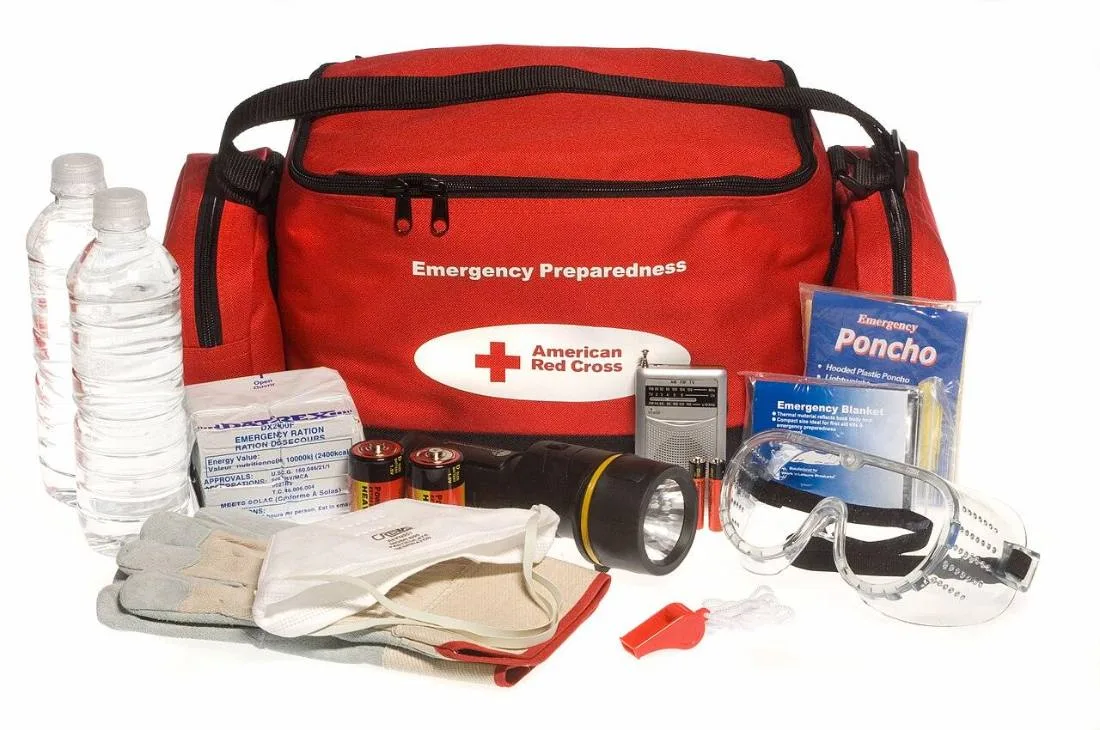
No need for panic buying. Start with one bag and add to it bit by bit.
Does your home already have an emergency bag, or are you just getting started?
Sources
- Seoul Economic Daily, Japan to Urge Citizens to Stockpile Three Days of Food, Water (27 Oct 2026)
- Business Today, Japan and UK urge citizens to keep emergency supplies ready for 3 days to a week (27 Oct 2026)
- Pulse, Why Japan, the UK, and Sweden are urging citizens to stockpile (27 Oct 2026)
- Euronews, Brussels asks EU citizens to put together a 72-hour emergency kit (26 Mar 2025)
- eCentral, MetMalaysia emergency bag list (3 Nov 2024)